Historic Cairo
969 BC
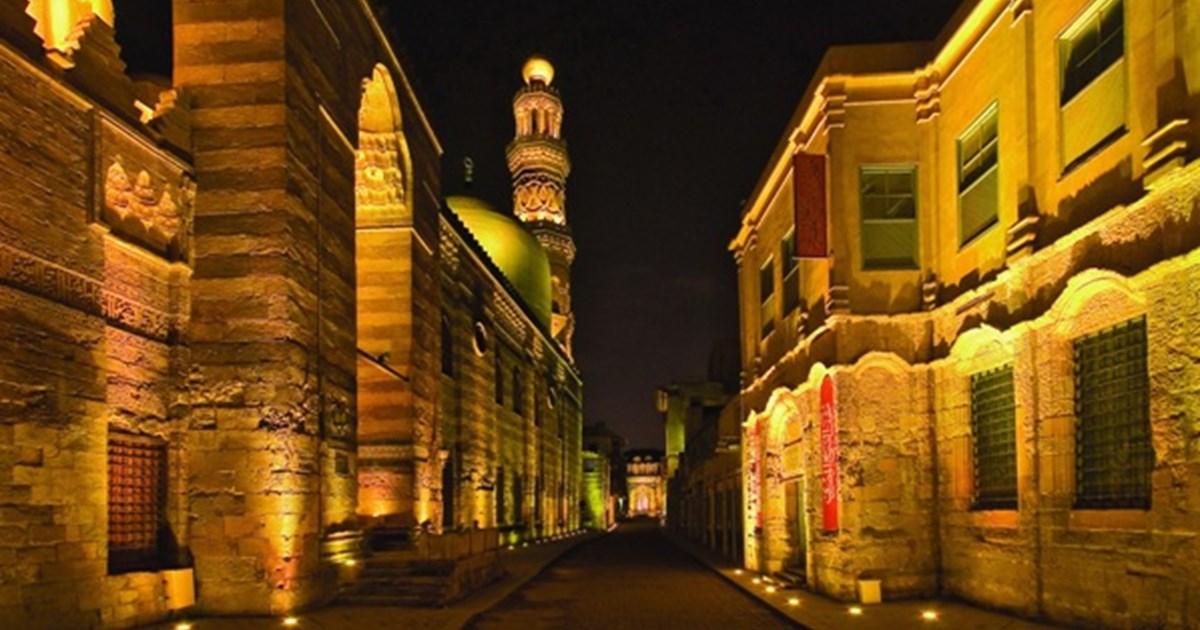
Cairo, the capital of Egypt, was founded in 969 BC by Jawhar al-Siqilli, the general of the Fatimid Caliph al-Mu’izz. As the city grew over time, it came to absorb the older capitals that had been founded nearby since the Arab conquest in 20 AH/641 AD, such as al-Fustat. Modern Cairo thus conceals within it the many sites and monuments of its complex past. The following were added to UNESCO’s World Heritage List in 1979: Al-Fustat, which includes the Nilometer on Rawdah Island, the Mosque of ‘Amr ibn al-‘As, the Hanging Church, and the Ben ‘Ezra Synagogue; the Mosque of Ibn Tulun, the Citadel, the Fatimid nucleus of Cairo and its necropolis; al-Imam al-Shaf’i Necropolis; al-Sayyidah Nafisah Necropolis; and the Qaytbay Necropolis.
Overview
Inscribed
Cairo, the capital of Egypt, was founded in 969 BC by Jawhar al-Siqilli, the general of the Fatimid Caliph al-Mu’izz. As the city grew over time, it came to absorb the older capitals that had been founded nearby since the Arab conquest in 20 AH/641 AD, such as al-Fustat. Modern Cairo thus conceals within it the many sites and monuments of its complex past. The following were added to UNESCO’s World Heritage List in 1979: Al-Fustat, which includes the Nilometer on Rawdah Island, the Mosque of ‘Amr ibn al-‘As, the Hanging Church, and the Ben ‘Ezra Synagogue; the Mosque of Ibn Tulun, the Citadel, the Fatimid nucleus of Cairo and its necropolis; al-Imam al-Shaf’i Necropolis; al-Sayyidah Nafisah Necropolis; and the Qaytbay Necropolis.
Meet Egypt’s World Heritage sites that are declared by UNESCO! On this day we will celebrate our heritage. Make sure to visit all these incredible landmarks in Egypt.