World Heritage
Egypt's UNESCO World Heritage sites — places of outstanding universal value.
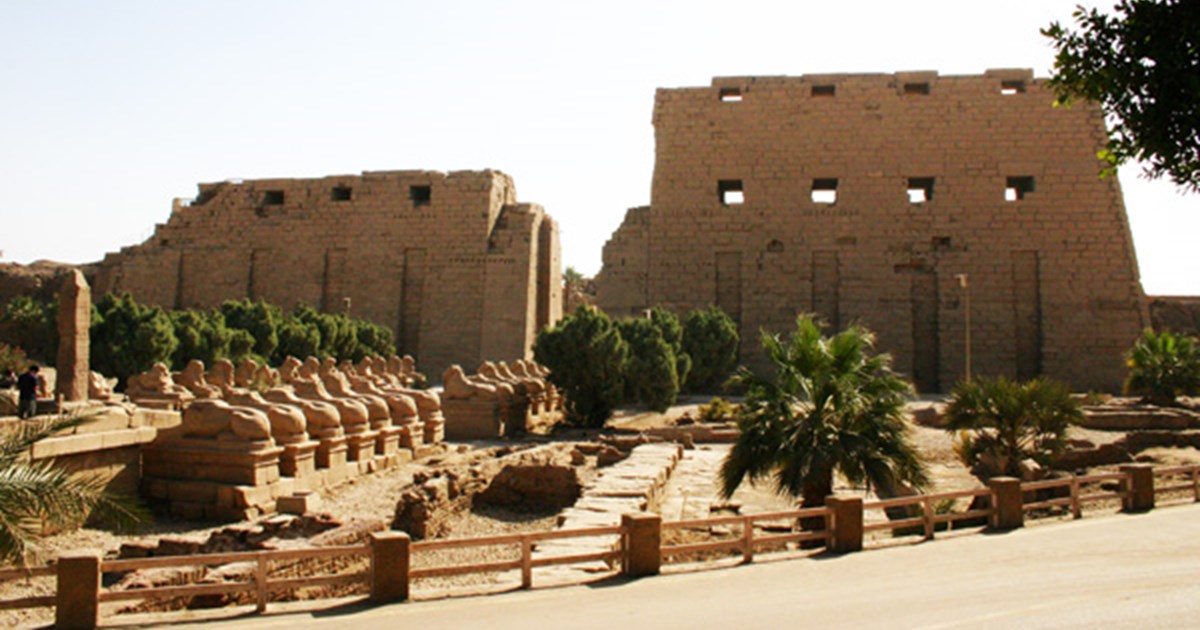
Ancient Thebes and its Necropolis
1650 BC
The ancient city of Thebes, modern Luxor in the south of Egypt, was one of the most important cities from the Middle Kingdom (c.2055–1650 BC) onwards. The vast majority of the ancient Egyptian monuments that can still be visited there today were built during the New Kingdom (c.1550–1069 BC). Ancient Thebes and its necropolis, or burial areas, were added to UNESCO’s World Heritage List in 1979. The monuments that may be seen here are the Karnak temple complex and Luxor Temple on the east bank of the Nile, and those on the west bank include the temple of Ramesses III in Medinet Habu; the Ramesseum of Ramesses II; Amenhotep III’s Colossi of Memnon; the temple of Hatshepsut in Deir al-Bahari; the tombs in the Valley of the Kings, where Tutankhamun was buried; the tombs in the Valley of the Queens; and the town and tombs of the workmen of the royal tombs in Deir al-Medina. Sphinx Avenue is one of the most significant archaeological parts of the ancient city of Thebes (Luxor), the Avenue is around 2,700 meters long, that connects Karnak Temples in the north with Luxor Temple in the south. The Sphinx Avenue was built by ancient Egyptian kings between the Eighteenth Dynasty and Thirtieth Dynasty as a processional way for sacred ceremonies and festivals. Along the Avenue, unparalleled Sphinxes line up along the ancient road from Karnak Temples to Luxor Temple. Excavations started in the Sphinx Avenue Since 1949 and continued for around 70 years by Egyptian Archaeologists who made a glory discovering more sphinxes and parts of the road. The Ministry of Tourism and Antiquities started in 2017 a project to restore the Sphinx Avenue and connect Karnak Temples and Luxor Temple. The project came as a revival of the ancient road that retain its glory two thousand years ago. The Sphinx Avenue is now another spectacular monument of the city of hundred gates.. Luxor
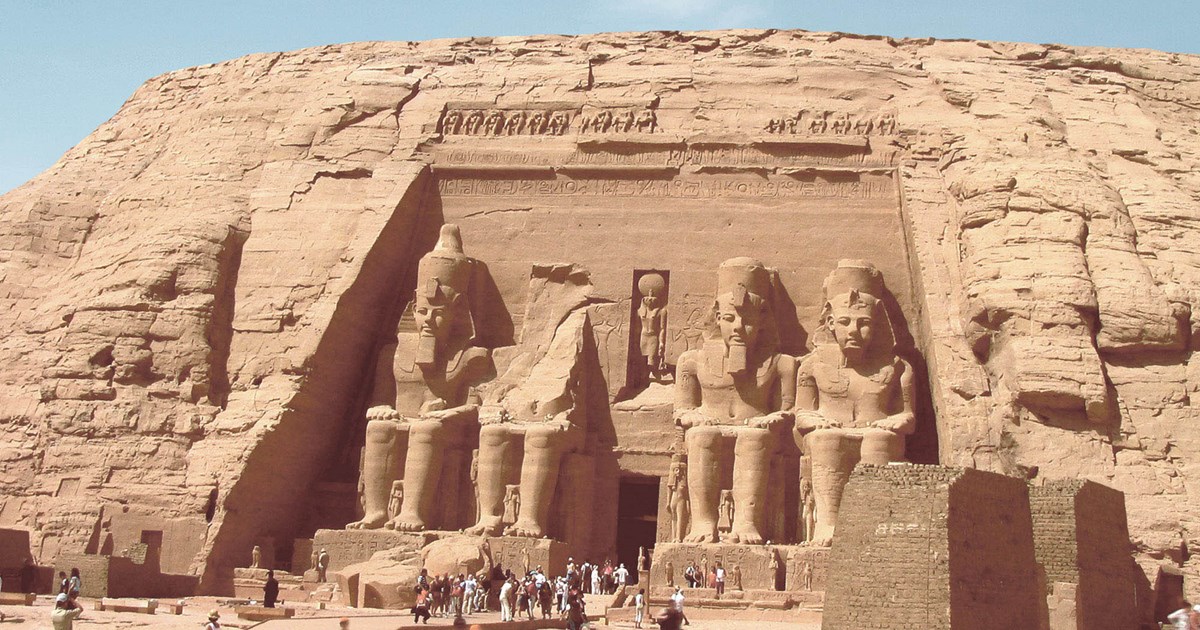
Nubian Monuments from Abu Simbel to Philae
1264 BC
Nubia is a geographic region in the south of Egypt and the north Sudan. A number of important sites are located in the region between Aswan and Abu Simbel, and in 1979, ten were added to UNESCO’s World Heritage List. These are, from south to north: The temples of Ramesses II in Abu Simbel; Amada; Wadi Sebua; Kalabsha; Philae (Island of Agilkia); the ancient granite quarries and unfinished obelisk in Aswan; the Islamic Cemetery; the ruins of the ancient city of Elephantine; the Monastery of St Simeon; and the Old and Middle Kingdom tombs in Aswan (the so-called Tombs of the Nobles). The construction of the Aswan High Dam in the 1960s threatened these monuments with submersion, but they were all saved thanks to the efforts of an International Campaign launched by UNESCO from 1960 to 1980.
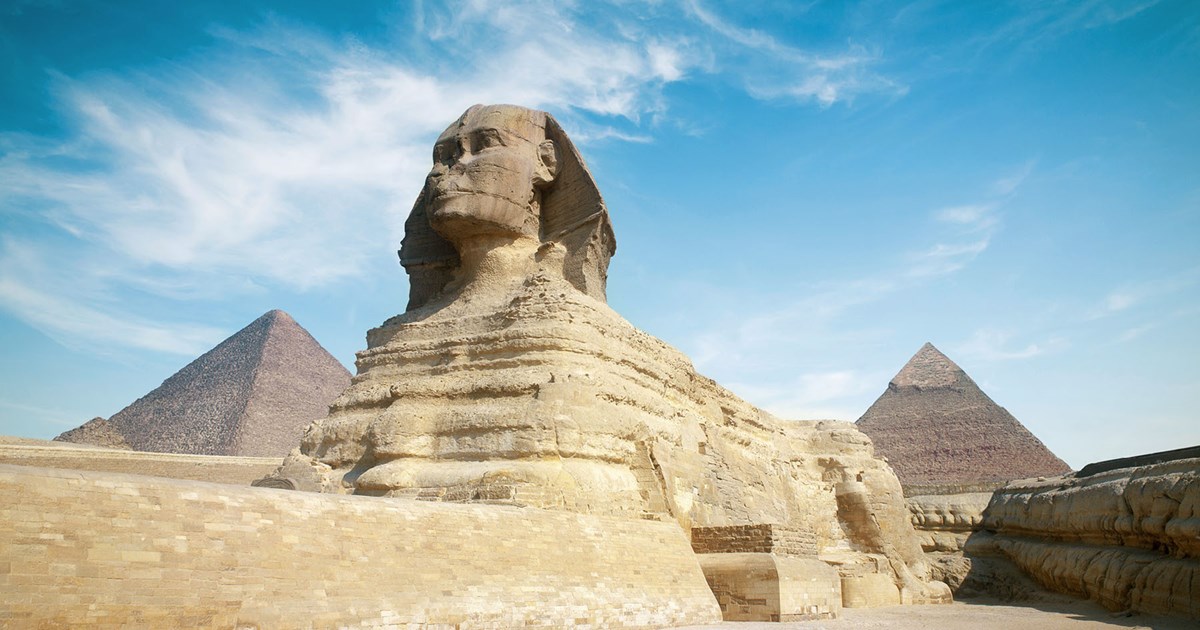
Memphis and its Necropolis
3100 BC
Memphis, near the modern village of Mit Rahina not far from Cairo, and its necropolis were added to UNESCO’s World Heritage List in 1979. Said to have been founded by the legendary first king of Egypt Menes in 3100 BC, the ancient city of Memphis was the capital during the Early Dynastic Period (c.3100–2686 BC) and Old Kingdom (c.2686–2181 BC), and continued to be one of the most important cities throughout more than three-thousand years of ancient Egyptian history. It was a center for the worship of the god Ptah, whose temple was one of the most important places in all of ancient Egypt. It was so important, that the origin of the word “Egypt”, from Greek Aigyptos, comes from the temple’s ancient name, Hikuptah “The Temple of the ka (‘soul’) of Ptah. The city’s longevity is reflected in the sheer size and number of the many ancient cemeteries in its area. These include from north to south; Abu Rawash, the Giza Plateau; the site of the three world famous Pyramids of Giza, Zawyet al-‘Aryan, Abu Ghurab, Abusir, Saqqara, Mit Rahina, and Dahshur.
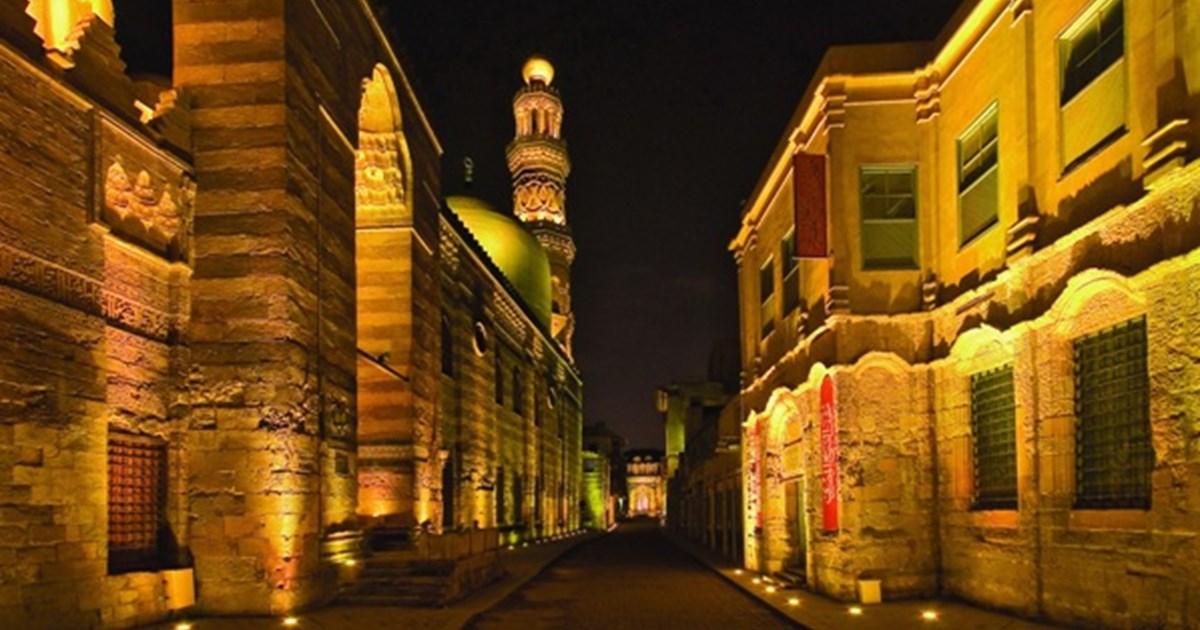
Historic Cairo
969 BC
Cairo, the capital of Egypt, was founded in 969 BC by Jawhar al-Siqilli, the general of the Fatimid Caliph al-Mu’izz. As the city grew over time, it came to absorb the older capitals that had been founded nearby since the Arab conquest in 20 AH/641 AD, such as al-Fustat. Modern Cairo thus conceals within it the many sites and monuments of its complex past. The following were added to UNESCO’s World Heritage List in 1979: Al-Fustat, which includes the Nilometer on Rawdah Island, the Mosque of ‘Amr ibn al-‘As, the Hanging Church, and the Ben ‘Ezra Synagogue; the Mosque of Ibn Tulun, the Citadel, the Fatimid nucleus of Cairo and its necropolis; al-Imam al-Shaf’i Necropolis; al-Sayyidah Nafisah Necropolis; and the Qaytbay Necropolis.
Abu Mena
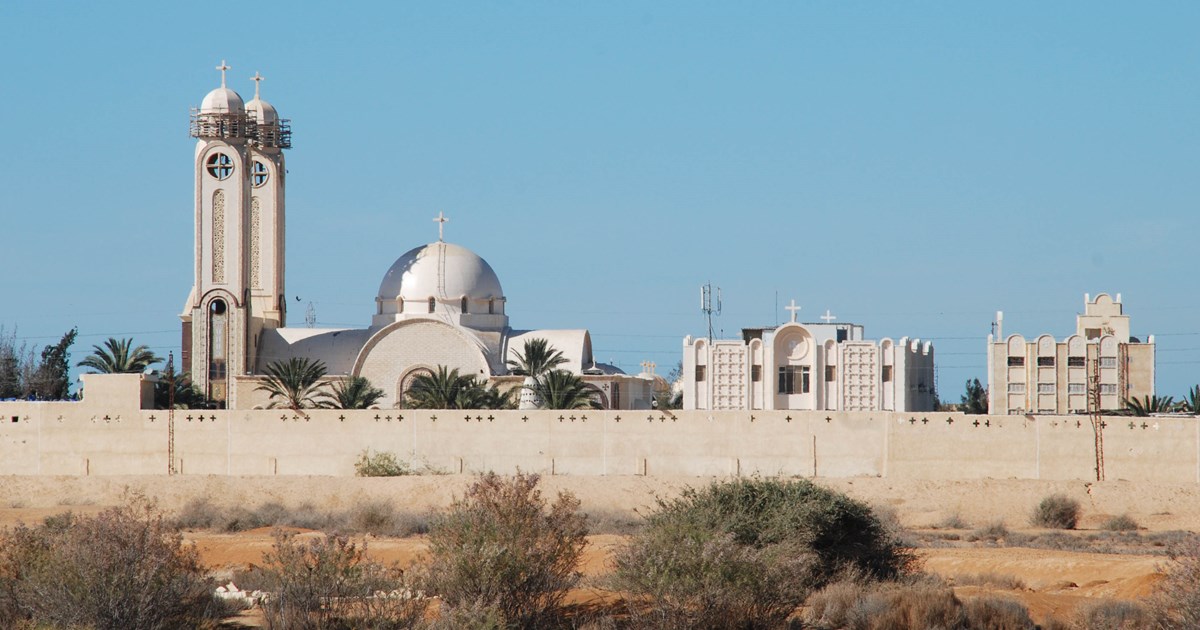
Added to UNESCO’s World Heritage List in 1979, Abu Mena is the site of the ruins of a church, monasteries, houses, workshops, and various public buildings that were built on the tomb of Saint Menas of Alexandria. It is said that, after his martyrdom in the late 3rd or early 4th century AD, the camel transporting his body through the desert south of Alexandria spontaneously refused to proceed any further. This was interpreted as a sign from God, and Saint Menas was buried on this spot. This became the site of a miraculous healing spring, and word spread. Already by the late 4th century AD, Abu Mena had already become a very popular center for pilgrimage.
Saint Catherine’s Monastery and its surrounding area
565 AD
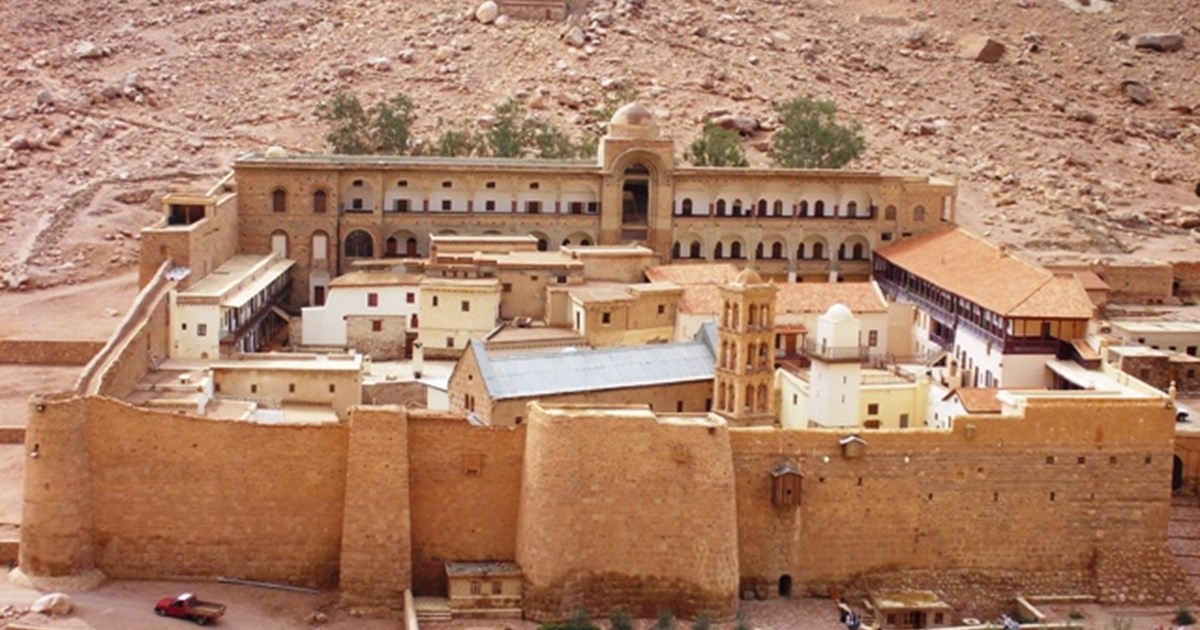
On the slopes of Mount Sinai, where Moses received the Ten Commandments from God, lies one of the oldest functioning monasteries in the world. It was built by order of the Byzantine Emperor Justinian I (527–565 AD) in 548–565 AD. The eponymous Saint Catherine of Alexandria was martyred in the early 4th century AD. The monastery bears her name because its monks discovered her incorrupt body on nearby Mount Saint Catherine in the 9th century AD, where it had been deposited by angels after her martyrdom. The monastery, which was added to UNESCO’s World Heritage List in 2002, encompasses multiple structures, the most important of which is the Church of the Transfiguration of Christ the Savior, which itself contains nine smaller churches. One of these is the Church of the Burning Bush, from which God spoke to the prophet Moses. Saint Catherine’s Monastery also includes ten other churches, the monks’ accommodations, a refectory, an olive press, ossuaries, a Fatimid mosque from the 12th century AD, and a library that boasts rare books and 6,000 manuscripts.