Orte & Sammlungen
Entdecken Sie Ägyptens archäologische Stätten, Monumente, Museen, Sammlungen und versunkene Denkmäler.
Archäologische Stätten
Alle 24 ansehen →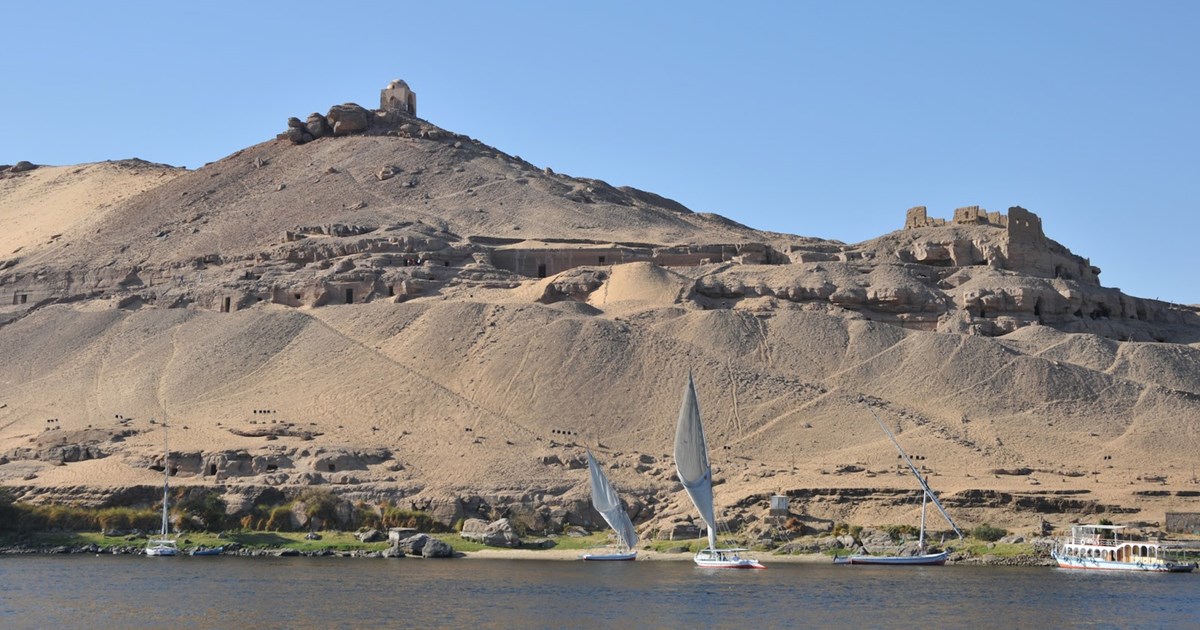
Friedhof von Qubbat al-Hawa
📍 Assuan
Qubbat Al-Hawa Cemetery consists of several tombs on the west bank of the Nile across the river from the northern tip of Elephantine Island cut into the rocky slopes of the cliffs that offer an enchanting panorama that reveals the beauty of Aswan. These tombs are those of local governors and high dignitaries from the Old to Middle Kingdoms. This cemetery site, which remained in use from the Old kingdom to the Roman Period, is named after the domed tomb of Sheikh Aly Abu Al-Hawa (qubba meaning dome in Arabic), which stands at the top of the cliffs above the tombs.
Kom el-Dikka
📍 Alexandria
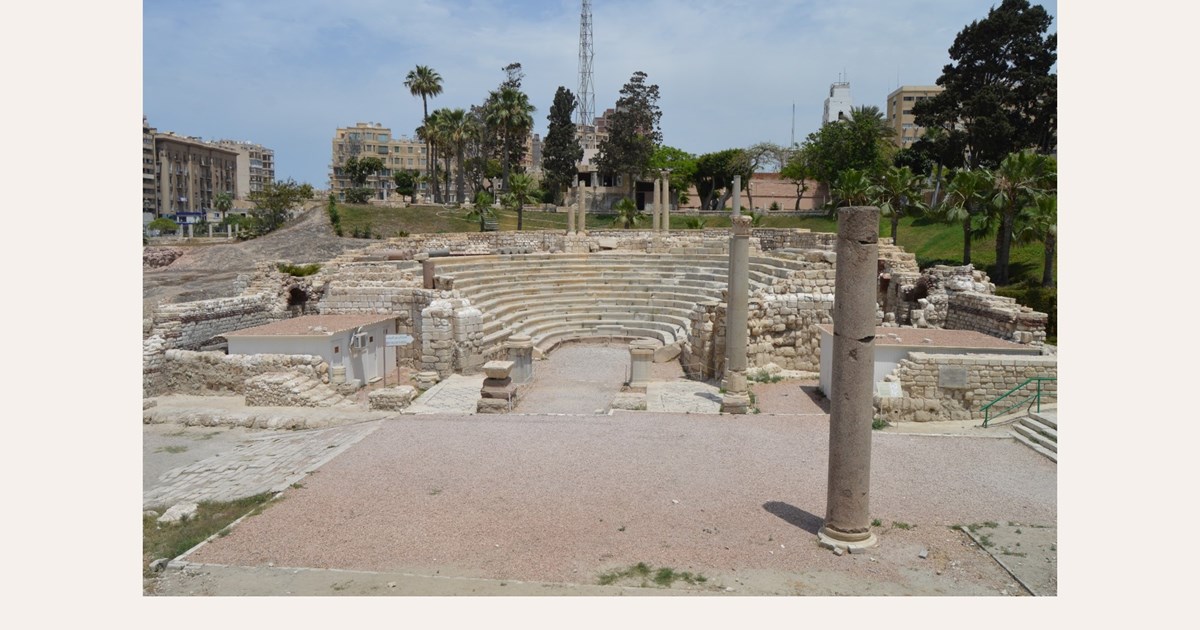
In the heart of modern Alexandria lies the Kom el-Dikka archaeological site, a remarkable open-air museum that preserves the remains of a prestigious residential and civic quarter from the Roman and Byzantine periods (2nd to 6th centuries AD). The centerpiece of the site is the well-preserved Roman Theater (Odeon), the only example of its kind in Egypt. Its tiered marble seats and mosaic-lined galleries reflect the city's affluent urban culture. Surrounding the theater, visitors can explore: The Villa of the Birds, featuring stunning floor mosaics depicting various birds and geometric patterns. The remains of extensive Roman Baths, which showcase advanced engineering, including a hypocaust (underfloor heating) system. A large complex of lecture halls, believed to be part of a philosophical school or university, offering a rare glimpse into ancient academic life. The site also displays a collection of artifacts and sculptures recovered from the sunken ruins of the ancient city, providing a direct link to Alexandria's legendary past. Together, these discoveries illustrate the social, cultural, and intellectual vitality of ancient Alexandria, highlighting its evolution from a Hellenistic capital into a thriving Roman and Byzantine metropolis.
Elephantine
📍 Assuan
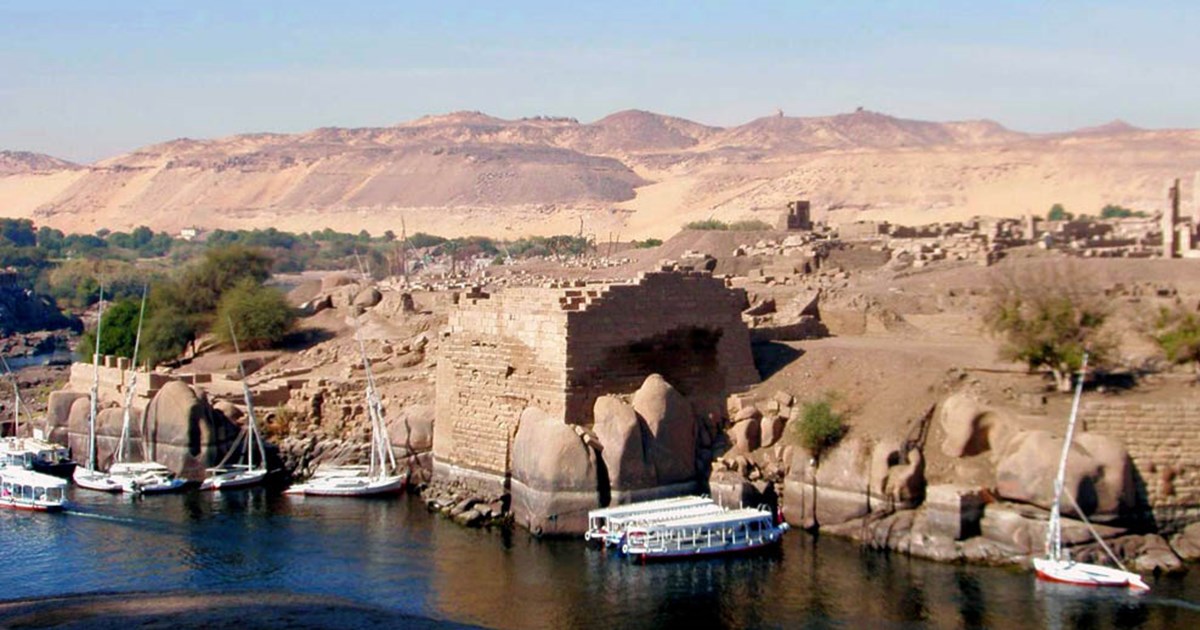
Elephantine is an archaeological island on the Nile Riverbank, which was the gateway into Egypt for all traders entering from Nubia. Many different monuments await you here, including the remains of ancient houses that belongs to the temple of the god of the annual Nile flood khnum, and the temple of the goddess who guarded Egypt's Sothern frontiers, Satet, who was also associated with the annual Nile flood. Make sure you don't miss the Nilometer or the nearby museum, where the objects discovered by the German archaeological mission that works on the island are on display. The island of Elephantine was inscribed on UNESCO'S World Heritage List in 1979.
Monumente
Alle 24 ansehen →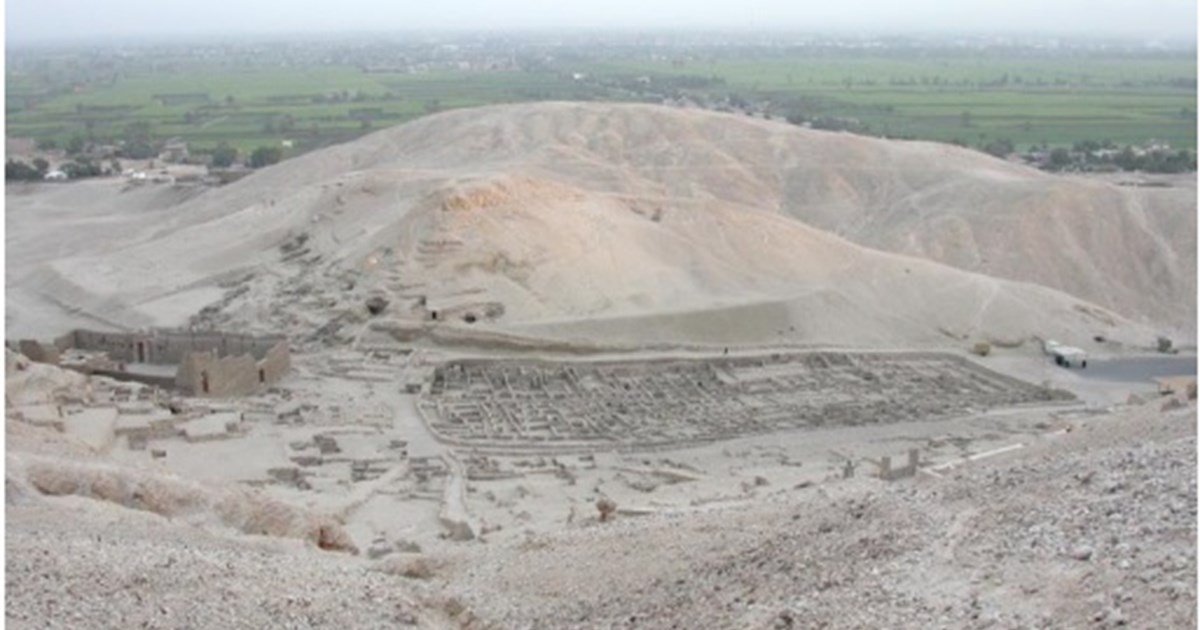
Tempel Amenophis’ II.
📍 Luxor
The Temple of Millions of Years of Amenhotep II is located on the west bank of the Nile at ancient Thebes, near Luxor. It lies within the archaeological zone extending between the cultivated land and the desert edge, where the funerary temples of the New Kingdom rulers were established. This temple belongs to the category of royal funerary temples known as “Temples of Millions of Years.” These institutions were closely associated with the cult of Amun, in which the king was assimilated into a divine Osirian–solar form, ensuring his eternal existence and the دوام of kingship. The temple also reflects royal ideology by linking the king to his earthly predecessor and to the god Ra as his divine father. Architecturally, the temple follows the standard layout of Egyptian temples, consisting of: A monumental pylon gateway An open courtyard for public rituals A hypostyle hall used for ceremonial functions A sanctuary, the most sacred space of the temple The temple did not serve as a royal tomb, but rather as a cult place where rituals related to the posthumous worship of the king were performed within the framework of the Amun priesthood. The temple is part of a broader funerary and religious landscape on the west bank of Thebes, located near temples of other 18th Dynasty rulers, including that of Thutmose IV, and within the area of Sheikh Abd el-Qurna, which also includes the funerary temple of Ramesses II (the Ramesseum). Although the temple is only partially preserved, its remains provide valuable evidence for understanding the early development of New Kingdom funerary temples and the relationship between architecture and royal religious ideology.
Deir el-Ballas
1901 AD
📍 Qina
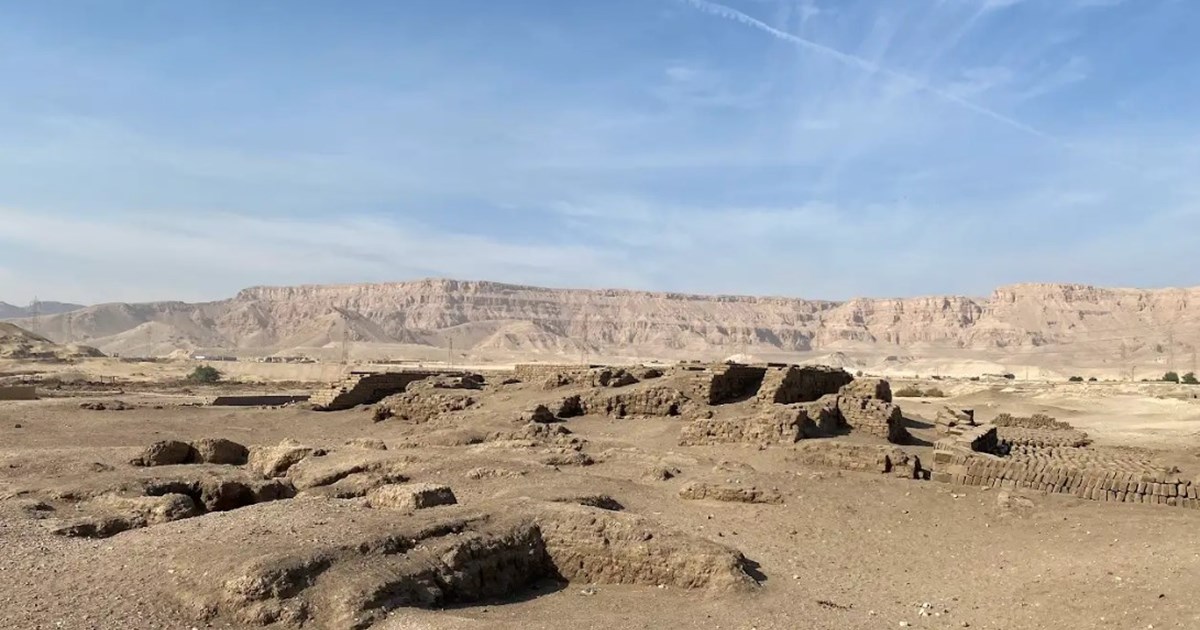
Probably one of the most important sites in Egyptian History and also one of the least well-known, Deir el-Ballas was the forward capital of the Theban kings during their drive to expel the Hyksos invaders in the north and reunite the land founding the glorious New Kingdom three thousand, five hundred years ago. Our fieldwork at Deir el-Ballas is critically important as the site is in danger of destruction by the neighboring modern community. The site was first excavated by George Andrew Reisner working for the Hearst Expedition of the University of California, Berkeley in the years 1900-1901 AD, but never published and was long forgotten. In order to clarify the records of the original expedition and enable the eventual publication of the site, four seasons of survey and clearance were undertaken in 1980, 1983, 1984, and 1986 by Peter Lacovara under the sponsorship of the American Research Center and the Museum of Fine Arts, Boston. At the request of our colleagues at the Ministry of Tourism and Antiquities, we went back to the site which was in danger from the expansion of the modern town. We began new fieldwork in 2017. The goals of the new work of the Ancient Egyptian Heritage and Archeology Fund at Deir e-Ballas are twofold, to publish Reisners’ original finds along with our new research at the site to both elucidate Reisner’s excavations and to protect and preserve the ancient monuments. Since it is also one of the few settlement sites to be extensively cleared, Deir el-Ballas also provides important insights into the daily life of the ancient Egyptians. In many ways a precursor to Tell el-Amarna, the capital of Akhenaten and Nefertiti, Deir el-Ballas seems to have set the pattern for these royal cities of the New Kingdom. At the center of the site is a monumental structure known as the North Palace that must have served as the campaign palace for the Kings Seqenenre, Kamose, and Ahmose. Like the later royal cities, there is a series of houses, including large villas for the royal court, a workmen’s settlement with associated cult chapels, storage magazines, and cemeteries. At the southern end of the site is a massive watchtower known as the “South Palace,” which gives a commanding view of the Nile and the territory around it. It would seem to be from here that the Theban fleet was marshaled and sailed north to victory. The fieldwork we are conducting will concentrate on ways to protect and restore this important Palace-City of the Theban kings. Our long-term goal is to coordinate our efforts with the Qena Antiquities Inspectorate and the Ministry of State for Antiquities to develop a strategy for the protection, conservation, and management of the site. The areas we will focus on in the upcoming seasons include work on the ‘South Palace’ to complete the recording of it through detailed photographs and plans and begin stabilization and restoration work on those areas recently damaged by vandalism and collapse by restoring the fallen brickwork, primarily on the eastern façade.
Chons-Tempel
📍 Karnak
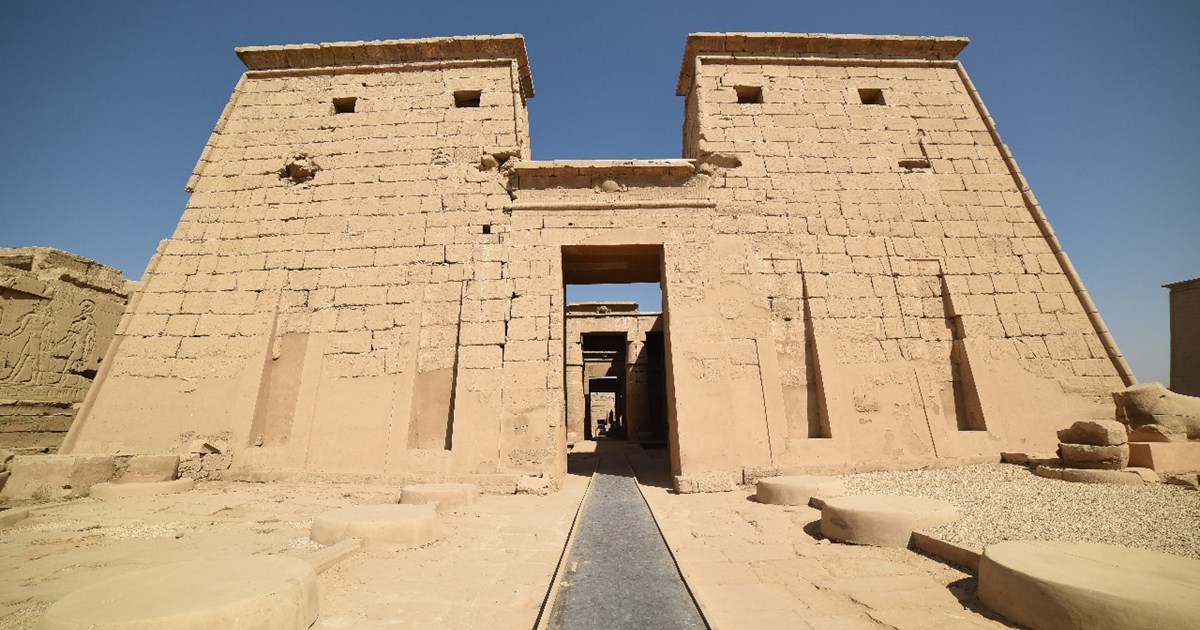
The Temple of Khonsu, nestled in the southwestern corner of the Karnak temple complex in Luxor, dedicated to the moon god Khonsu, a significant deity in ancient Egyptian mythology. Construction began under the reign of King Rameses III on the ruins of an earlier temple from the 18th Dynasty. Over time, the temple was enhanced, particularly during the reign of King Nectanebo II and the Ptolemaic period. This temple exemplifies the classic design of ancient Egyptian religious structures. Measuring approximately 73 meters in length and 29 meters in width, it comprises a series of architecturally distinct sections. Visitors would first encounter the outer gateway, or pylon, which opens onto a processional avenue flanked by sphinx-like statues. Although time has reduced these statues to their bases, they remain a testament to the craftsmanship of King Nectanebo I during the 30th Dynasty. Beyond the pylon lies the first courtyard, a square hall bordered on three sides by rows of round columns with capitals shaped like closed papyrus buds. From this courtyard, a passage leads to the Hypostyle Hall, a structure featuring eight columns arranged in two rows. The columns’ capitals alternate between closed and open papyrus buds, adding visual interest to the hall. This section, dating back to the reign of King Seti I, is thought to include remnants of the earlier temple. The Hypostyle Hall transitions into a rectangular chamber that once housed the Sanctuary, now largely destroyed. Remarkably, a sandstone statue of Khonsu, believed to date to the reign of King Tutankhamun, was discovered here. Beyond this chamber is the Sacred Boat Shrine, a smaller room supported by four columns. At its center lies the base for Amun’s sacred boat, from the era of King Rameses III. Significant modifications to the temple were undertaken by later rulers. King Nectanebo II rebuilt the gateways of the Hypostyle Hall, while the Ptolemaic rulers extensively renovated and expanded the structure, incorporating stones from the older temple into their designs. Khonsu, as part of the Theban Triad alongside Amun-Ra and Mut, held a revered place in Egyptian belief. Representations of Khonsu often depict him as a child with a distinctive side braid or as a robed figure holding a scepter, crowned by the full moon resting on a crescent. His association with the moon imbued him with a reputation as a healer and protector, capable of expelling evil spirits—a trait that ensured his enduring popularity.
Museen
Alle 24 ansehen →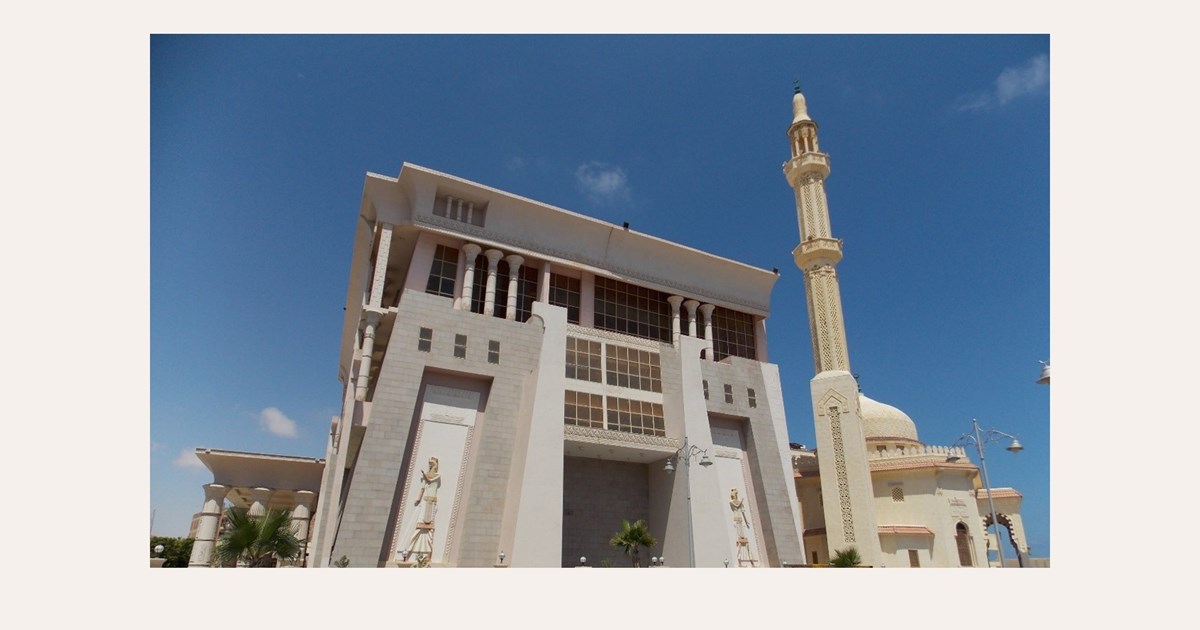
Museum von Marsa Matruh
📍 Matruh
This museum was established inside the Misr Public Library in Matrouh, in cooperation with the Governorate, to highlight the city’s rich and eventful history across different eras, as revealed through the results of archaeological excavations in the region. The history of Matrouh dates back to the time of the Pharaohs. It is believed that the northeastern part of the governorate may have belonged to the Seventh Nome of Lower Egypt. In addition, much of the city was part of the Egyptian nome known as “Lubia.” During the Roman era, the city was known as “Paraetonium” and “Amunia”—the latter derived from the name of the god Amun. The museum covers a total area of 728 m² and is divided into two floors. It houses a wide collection of artifacts that illustrate the story of the Pharaohs and their strategies to secure Egypt’s western borders and deserts through the construction of forts and castles, since the city served as Egypt’s western gateway. Exhibits also highlight the desert goddesses, the role of Marsa Matrouh in fishing and trade, its connections with neighboring regions, and its contributions to astronomy, science, and philosophy.
Nationalmuseum von Suez
📍 Suez
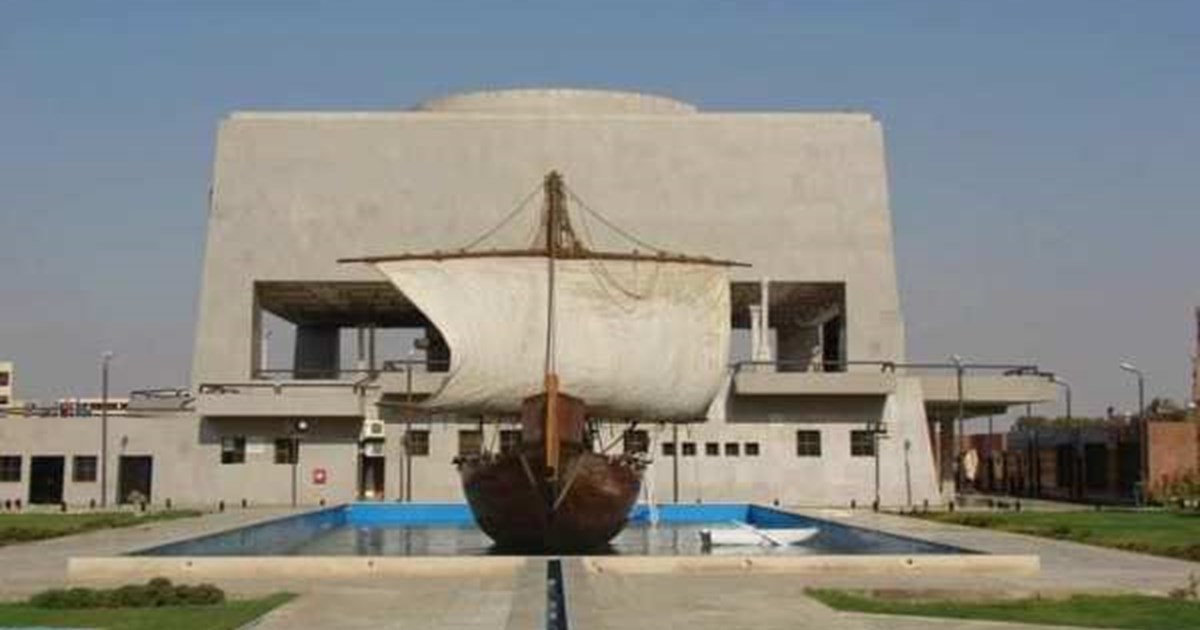
The idea for the National Museum of Suez was conceived after the collapse of the older museum during the war in 1967. Its collection was moved to the storage rooms of the Egyptian Museum, on Tahrir Square. The Suez National Museum was established to serve as a cultural beacon and a touristic landmark shedding light on the history of the Suez Canal, which connects the Red Sea and the Mediterranean Sea. The museum gives an account of the history of the city of Suez and its antiquities from prehistory to the modern era,The museum was opened on a trial basis in January 2012, but was not officially opened to the public due to the security conditions at that time. It was officially opened to receive visitors on September 29, 2014. The museum consists of two floors separated by an open exhibition hall that displays different styles of Greek, Roman and Islamic archaeological columns. The museum sheds light on the digging of the Suez Canal as well as other canals and their role in sea trade, such as the "Canal of the Pharaohs" dug by Nekau II. It also highlights the spheres of mining and shipbuilding, Egypt’s commercial relationships, and the important part that Suez plays in the hajj (pilgrimage to Mecca). In addition to this is the mummification hall is one of the most important halls of the museum, as it simulates the cemetery from the inside and contains a complete depiction of the mummification process, including mummification tools, votive plaques, offering tables, and a group of colored coffins, in addition to a mummy of a priest with a magic spell. One of the most prominent objects is a statue of King Senwosret III dating to the Middle Kingdom (Twelfth Dynasty). The museum also includes a stela of the Persian king Darius I, one of four that he set up along the canal connecting the Nile with the Red Sea in commemoration of its excavation. The museum also includes a library and an activities centre where different educational programs and events are held. The museum’s garden contains a modern replica of a ship from the reign of Hatshepsut (The New Kingdom,18th Dynasty) of the type that she used to send on trading expeditions to faraway lands.
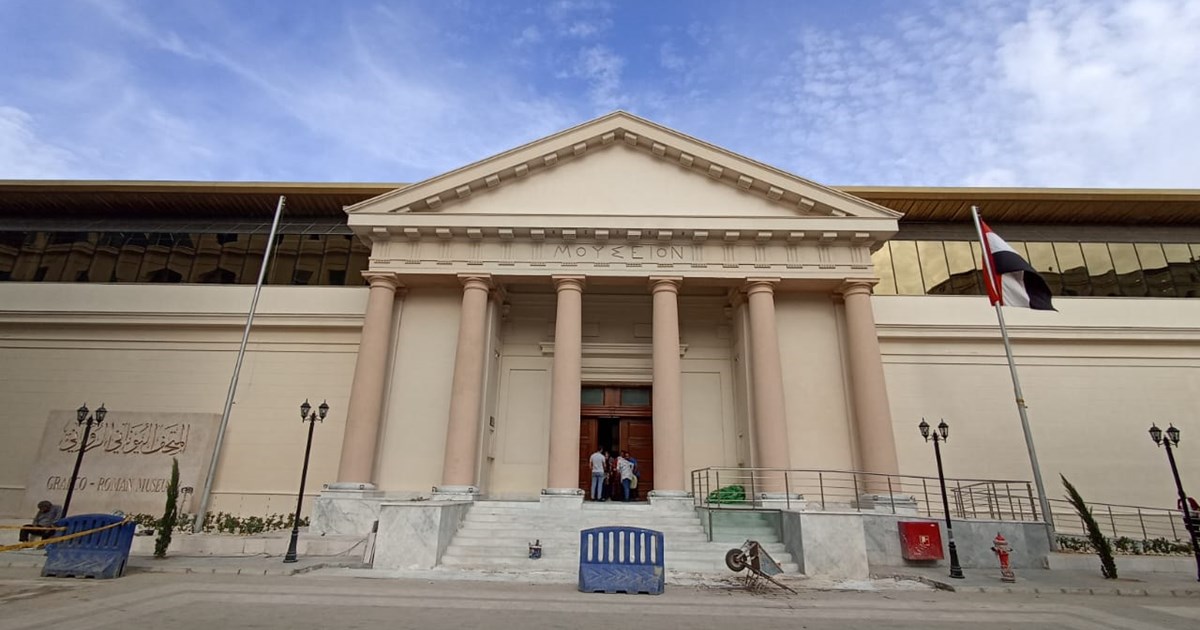
Griechisch-Römisches Museum
📍 Alexandria
The Graeco-Roman Museum of Alexandria is one of Egypt’s most important cultural landmarks, and the first building in the country to be specially designed for the preservation and display of antiquities. It remains unique as the only museum fully dedicated to the civilization of Egypt during the Greek and Roman periods. The idea of the museum began in 1889 with the Italian scholar Giuseppe Botti, who aimed to protect Alexandria’s antiquities from loss and destruction. Thanks to his efforts, the museum was officially established in 1892 and inaugurated by Khedive Abbas Helmy II. The first location was a modest rented house, but the growing discoveries soon created a need for a larger building. In 1894, Nubar Pasha laid the cornerstone of a new neoclassical building designed by the architects Dietrich and Stenon. The construction was completed in just one year, and the museum reopened in 1895. Over the years, the museum was directed by several prominent scholars, both foreign and Egyptian, reflecting its international significance. Since 1953, Egyptian archaeologists have been in charge of the institution. The museum has undergone several expansions and renovations, the most recent beginning in 2005 and continuing after 2015. These developments introduced a new upper floor, redesigned interiors, and modern display methods, ensuring that the museum continues to serve as both a scientific center and a cultural gateway for visitors to explore Alexandria’s rich Graeco-Roman heritage.
Sammlungen
Alle 24 ansehen →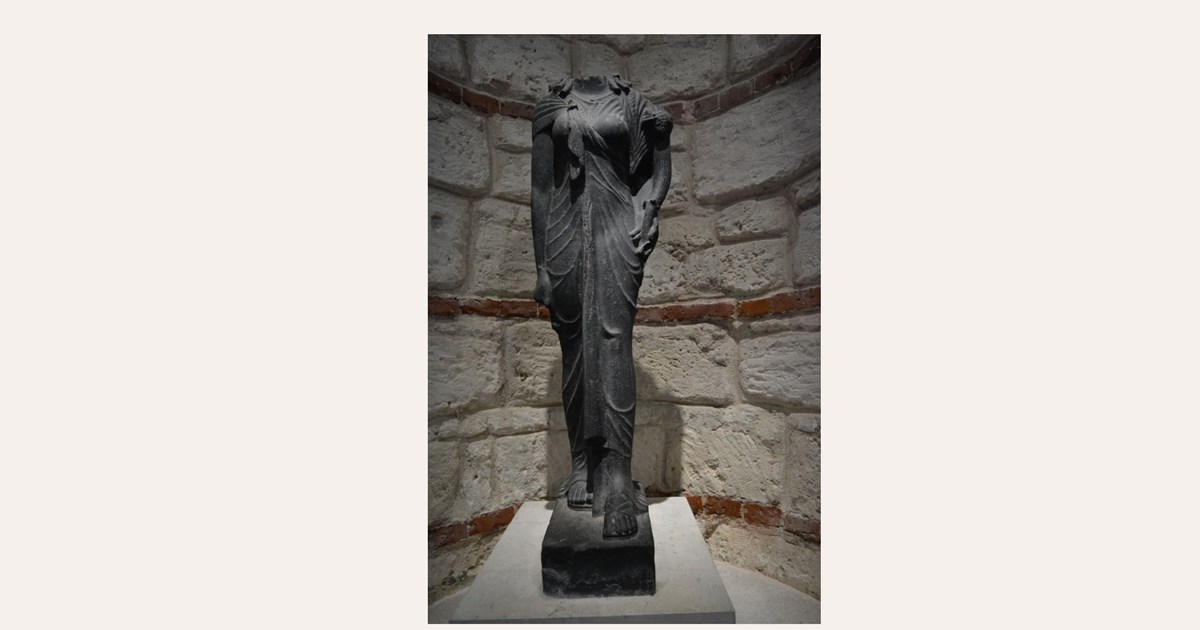
Statue einer ptolemäischen Königin in Isis-Tracht
Ptolemaic period ( 1B.C )
statue of a Ptolemaic queen in Isis attire this statue salvaged from the water of Abu Qir i 1989, represents a deified Ptolemaic queen in Egyptian style and Isis attire, a recurring royal Ptolemaic tradition at least since Ptolemy II. she is dressed in a short - sleeved tunic and fringed mantle, whose ends are wrapped in the form of the traditional Isis knot between the breasts, and a sandal on her feet. in her right hand, she holds the life ( ANKH ) sign and in her left hand, the cornucopia full of grapes and fruits, symbolizing fertility and abundance, since Isis was associated with the Nile flood and the fertility of the land. Date: Ptolemaic period ( 1B.C ) SOURCE: Abu Qir - Alexandria Material: Black Basalt
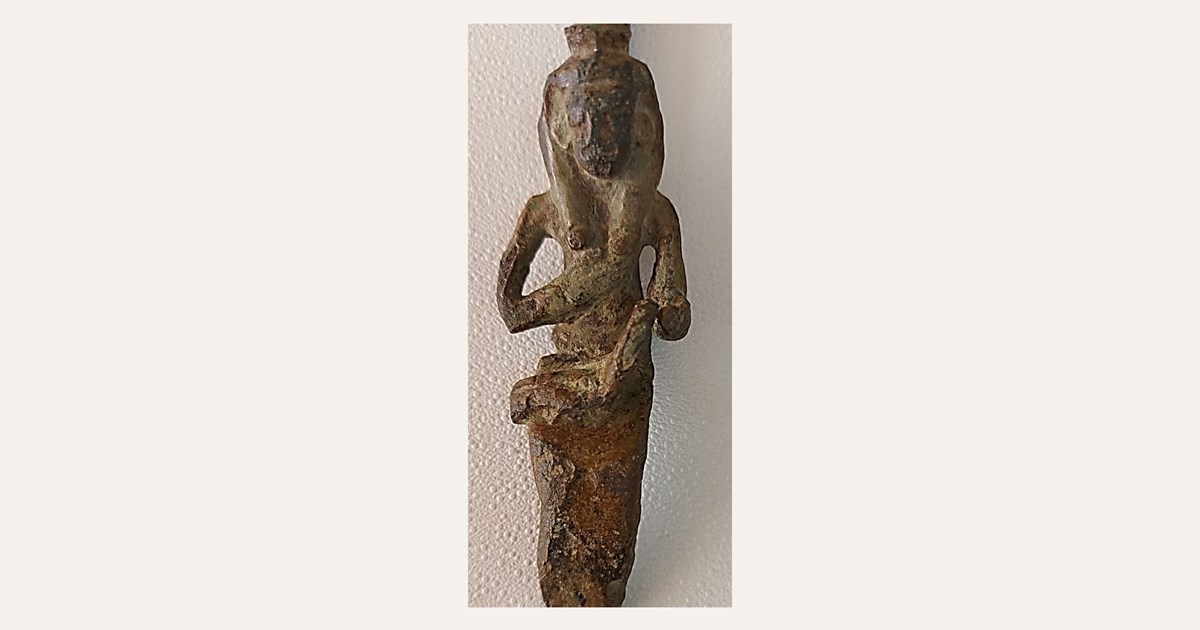
Statue der Göttin Isis
Seated statue of the goddess Isis nursing Harpocrates – Harpocrates missing head and feet, Isis missing feet; surface covered with a layer of rust. material: Bronze dimensions: H 9.7 W 3.2 provenance: Heracleion
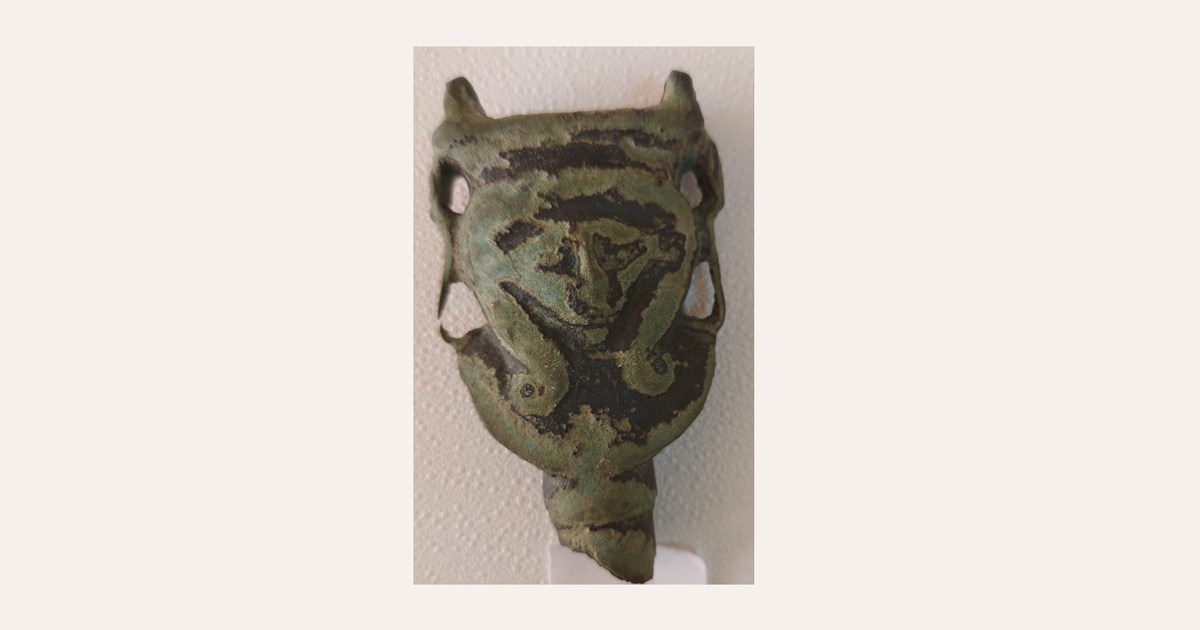
Ein Henkel
Fragment of a handle depicting two faces of Hathor, features indistinct, with a layer of rust and surface erosion. material: Bronze dimensions: h 7.5 w 4.3 provenance: Heracleion
Versunkene Denkmäler
Alle 8 ansehen →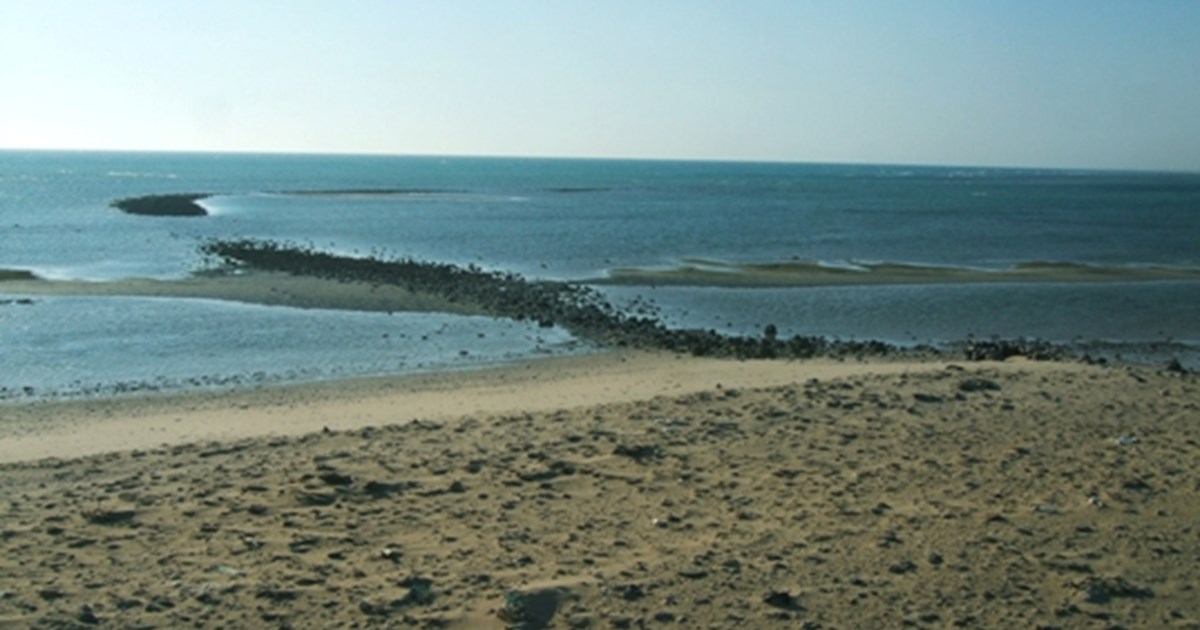
Hafen von Wadi al-Jarf
2600 BC
The oldest submerged Harbor which located in red sea governorate dated to 2600 B.C - its construction approximately takes a form of LShape. The sea port consists of the remains of water installations in the form of the Latin letter L with a slightly spherical angle. Today, part of it appears on a small rocky head, then extends eastward to about 160 m and then extends irregularly to the south-east for about 130 m. The width of this building is between 8 m and 14 m and is deposited in water that does not exceed the depth - currently - two meters. It is likely that this building was constructed to serve as a barrier to the northern waves and currents to provide a large water area where ships can dock and depart safely. The water area occupied by the inland basin of the old port is estimated to be at least 5.67 ha. The site's function as a seaport is confirmed by the finding of 21 limestone anchors dating back to the 4th Dynasty, about 120 meters from the present beach and about 11 meters south of the wave barrier. There is no doubt that the discovery of the port, which dates back to the era of King Khufu, the most famous of the kings of the fourth family (about 2600 BC) in the location of the valley of the shelf is one of the most important scientific events in the modern era; because it contains the oldest facilities of the port known industrial so far in the world, This port is that the ancient Egyptians had experienced the establishment of sea ports since the fourth family at least, and formed a network between the Red Sea coast and the Sinai Peninsula.
Fundstätte der Qaitbay-Festung
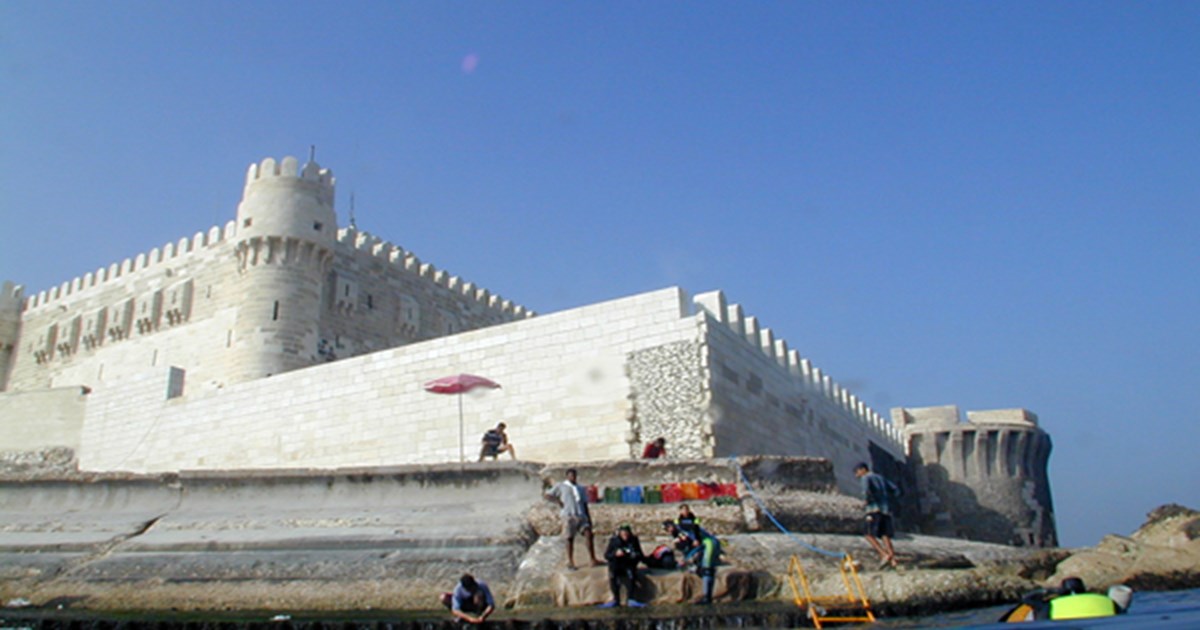
The site is located in Alexandria, at the eastern tip of the Pharos Peninsula, facing the eastern side of the Qaitbay Citadel. The site begins directly at the edge of the citadel, extending for 150 meters, with a depth ranging from 6 to 8 meters. In 1962, Kamel Abu El-Saadat collaborated with the Egyptian Navy to recover the statue known at the time as the "Isis of Pharia." The statue was broken into three pieces, and it was discovered that the base retrieved belonged to the statue. As a result, it was decided to place it in the Maritime Museum of Alexandria's Center for Studies under the leadership of Dr. Jean-Yves Amberier. Work on the site began in 1994.The site contains the remains of artifacts that were once around the "Pompey's Pillar" and were thrown into the harbor during the reign of Saladin in 1167 to hinder the Crusader invasion from Cyprus. The site also includes debris from the Pharos lighthouse and its island, as most of the pieces weighing over 20 tons are arranged in a linear formation heading north, slightly away from the base of the citadel, confirming that they fell from a high or large structure. More than 3,000 architectural artifacts have been discovered (columns, statues, bases, capitals), with 36 large pieces selected and displayed in a corridor in the Roman Theater at Kom El-Dikka. Additionally, the wreckage of three ships has been identified, with only their cargo remaining. These artifacts date from the 3rd century BC to the 7th century AD.
Schatby
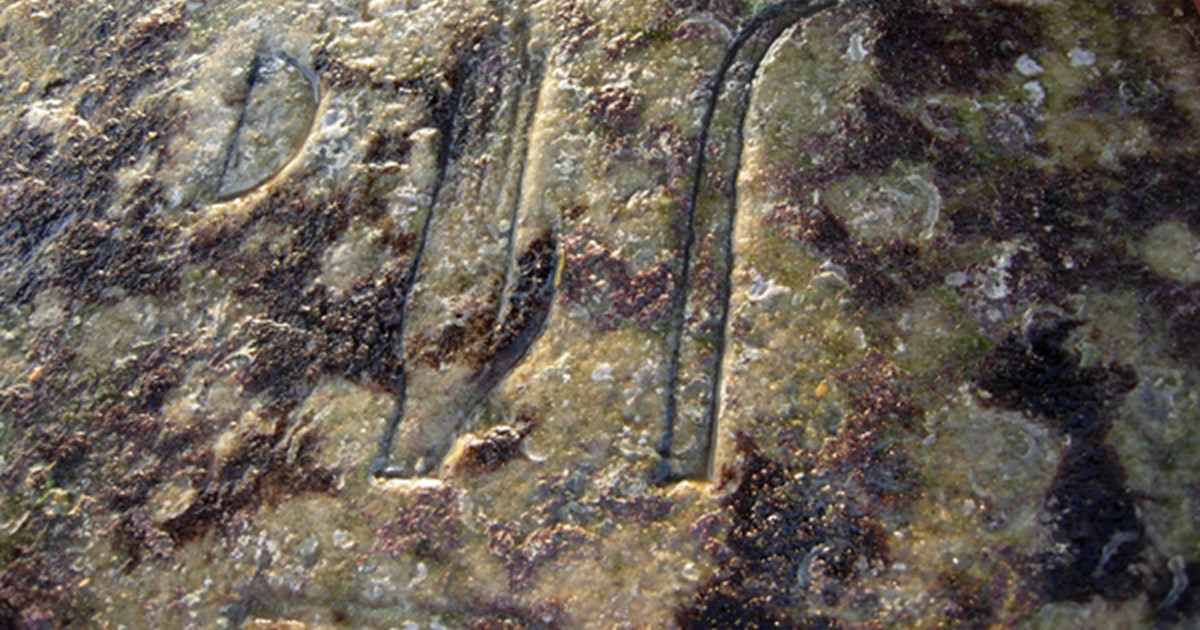
Submerged site has many pieces and architectural components and monuments where was located at the city's Royal Quarter and believed to contain remains of the Temple of ISIS. East of the Eastern Harbor of Alexandria, from Cape Silsileh to sidiBishr promontory. Most important discoveries: - Many site were discovered at El-Hassan reef,Chatby,Ibrahimieh,Sporting EL-Kour islets and BirMas’oud. - A large number of amphorae, concreted on the seabed, cover the El-Hassan reef and its contours marking the location of several shipwreck -Two sites were discovered in Shatby, and one is the sub-merged part of cape Silsileh that formed part of the Royal Ptolemaic quarters - 400 architectural elements of various stones lie on the seafloor - At Ibrahimieh, two sites have also been discovered. Some 50 small- and medium-size stone anchors dating to the Islamic period were raised from the first site that lies on a large reef at 13–15 m depth, 450 m from the shore. The second site lies in the shallows and consists of a large stone quarry, some shaft tombs as well as a complex grid of fish tanks. - At El-Dahab, El-Kour islets and BirMas’oud promontory demonstrated that these three sites and the submerged areas between them formed a large necropolis dating to the Graeco-Roman period. - -Numerous stone anchors and fishing tackle was found on the seabed north of El-Kour islet.