Collections
24 entries
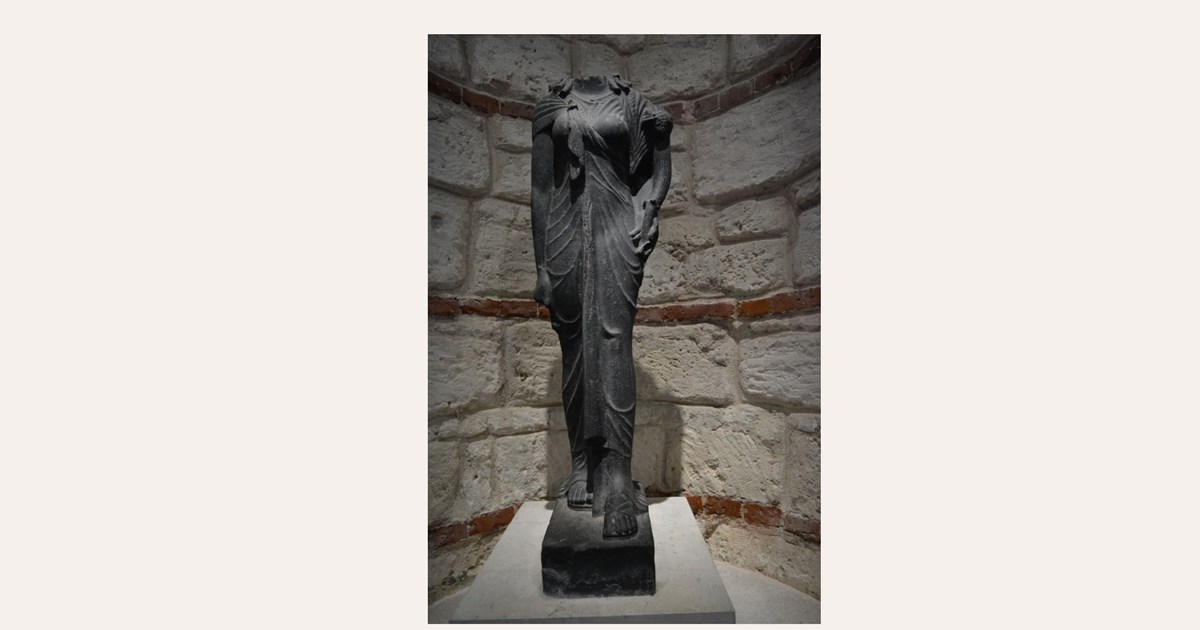
statue of ptolemaic queen in Isis attire
Ptolemaic period ( 1B.C )
statue of a Ptolemaic queen in Isis attire this statue salvaged from the water of Abu Qir i 1989, represents a deified Ptolemaic queen in Egyptian style and Isis attire, a recurring royal Ptolemaic tradition at least since Ptolemy II. she is dressed in a short - sleeved tunic and fringed mantle, whose ends are wrapped in the form of the traditional Isis knot between the breasts, and a sandal on her feet. in her right hand, she holds the life ( ANKH ) sign and in her left hand, the cornucopia full of grapes and fruits, symbolizing fertility and abundance, since Isis was associated with the Nile flood and the fertility of the land. Date: Ptolemaic period ( 1B.C ) SOURCE: Abu Qir - Alexandria Material: Black Basalt
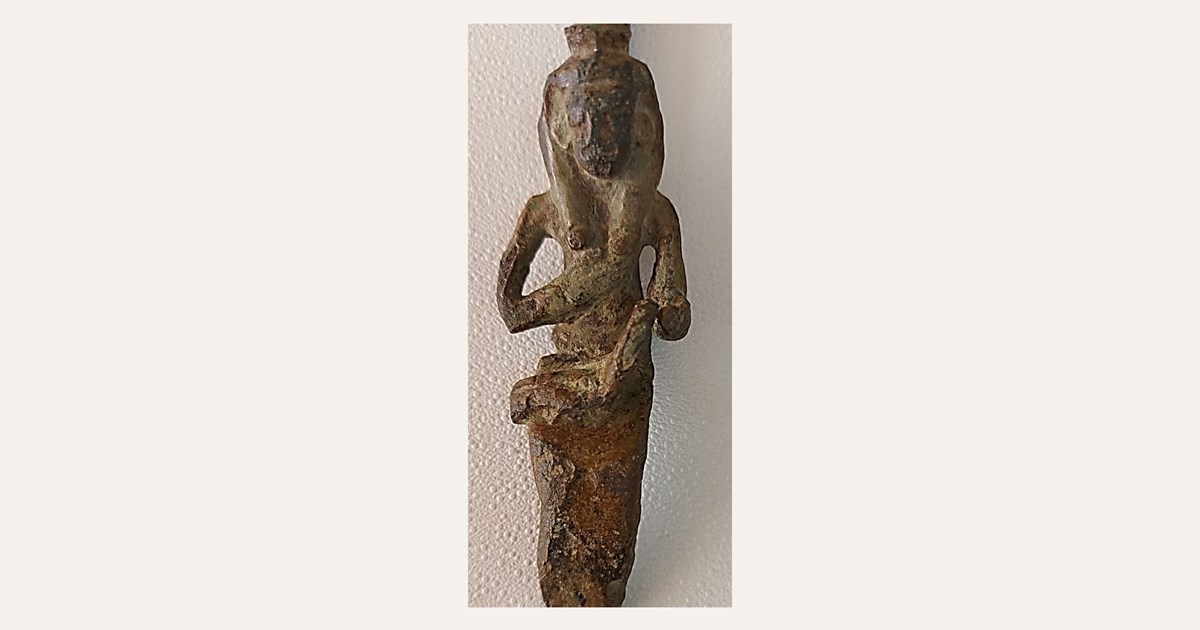
statue of the goddess Isis
Seated statue of the goddess Isis nursing Harpocrates – Harpocrates missing head and feet, Isis missing feet; surface covered with a layer of rust. material: Bronze dimensions: H 9.7 W 3.2 provenance: Heracleion
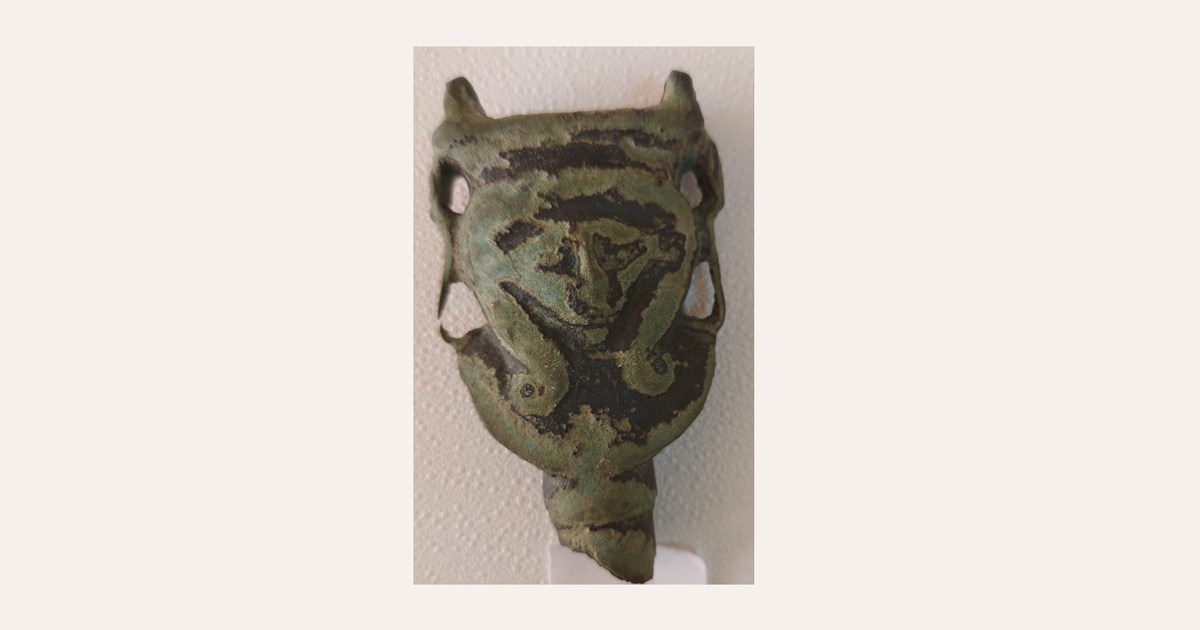
A handle
Fragment of a handle depicting two faces of Hathor, features indistinct, with a layer of rust and surface erosion. material: Bronze dimensions: h 7.5 w 4.3 provenance: Heracleion
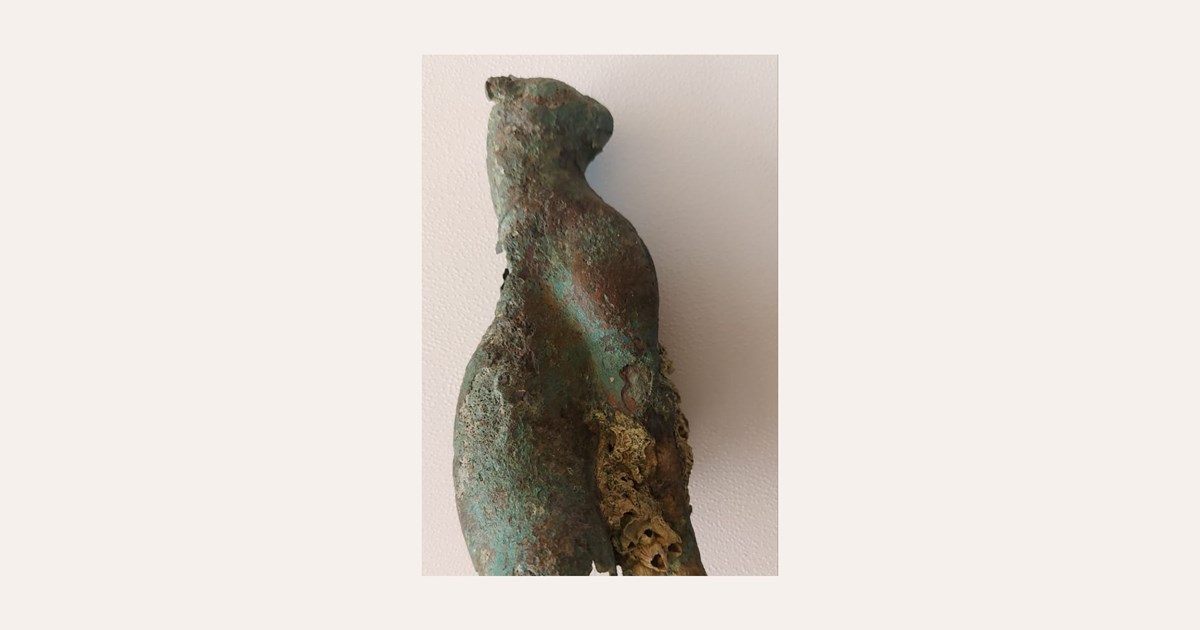
statue of cat
statue of cat, thought to represent the goddess Bastet; the back part is missing, with surface erosion, one of the feet missing, holes on the body, and hollow interior. Exhibits rust and marine encrustation. material: Bronze dimensions: H 18 cm provenance: Heracleion
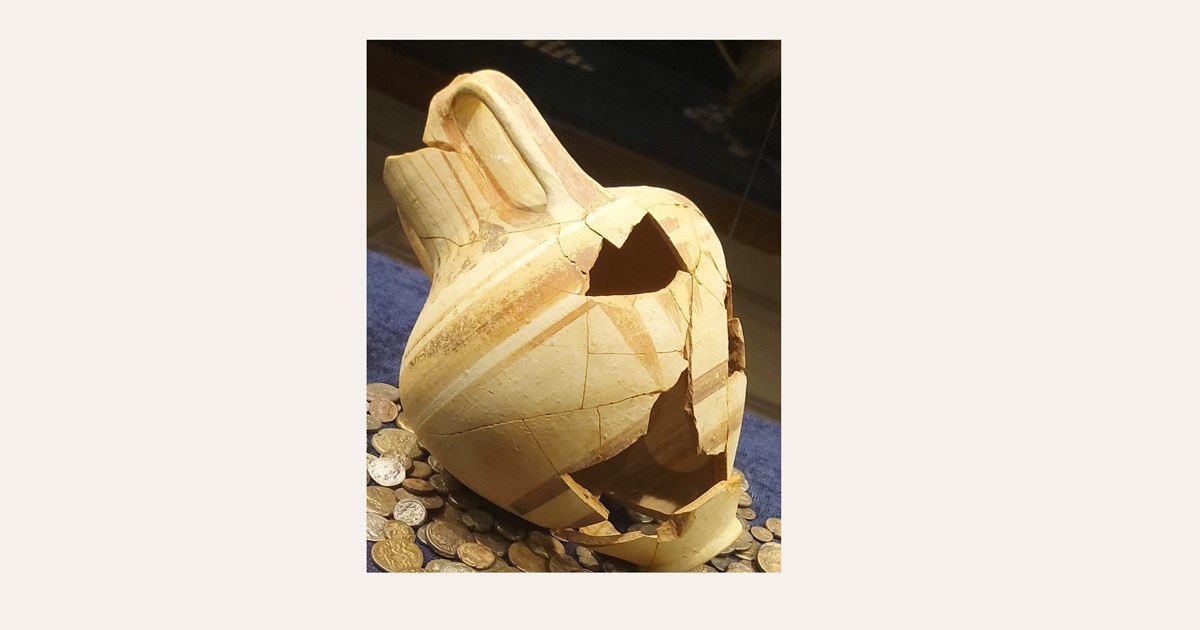
Pottery vessel
Reconstructed and restored pottery vessel with two handles, decorated with exterior motifs; reassembled with portions missing from the body and neck. material : Faience provenance : Heracleion
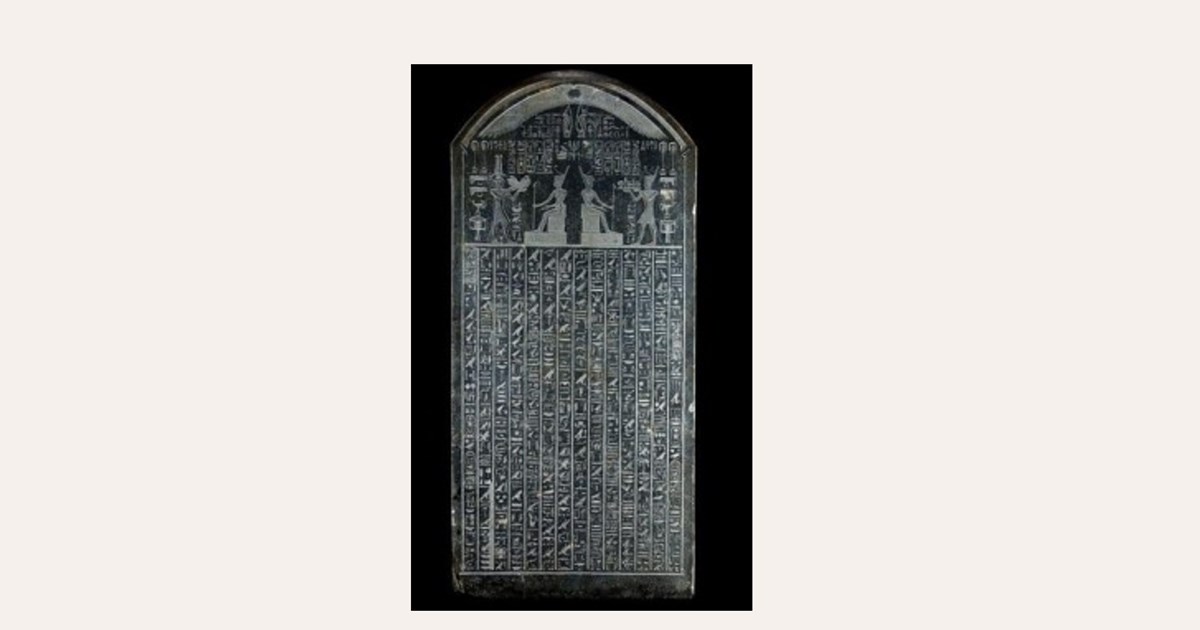
Thonis-Herakleion Stela
380 BC
📍 Alexandria
Containing a hieroglyphic text, this stela is a memorial dedicated to documenting the first year of the reign of King Nectanebo I, one of the most prominent kings of the Thirtieth Dynasty, which represents the last local Egyptian dynasty before the Second Persian Conquest. The stela is a relic of the Naucratis Stela, indicating parallel administrative or religious relations between the two coastal cities. This stela provides a precise chronological reference to the beginning of Nectanebo I's reign. The stela is a vivid testimony to the religious and administrative activity of Thonis-Herakleion, which was an international port and a thriving commercial and religious center until it was submerged. Historical period: Thirtieth Dynasty - First year of the reign of King Nectanebo I, around 380 BC Material: Black granite Dimensions: Length 195 cm - Width 88 cm - Thickness 34 cm - Approximate weight: 1.664 tons. Original location: The sunken city of Thonis-Herakleion, located in the Abu Qir region - northern Egypt, near the mouth of the Canopic branch of the Nile
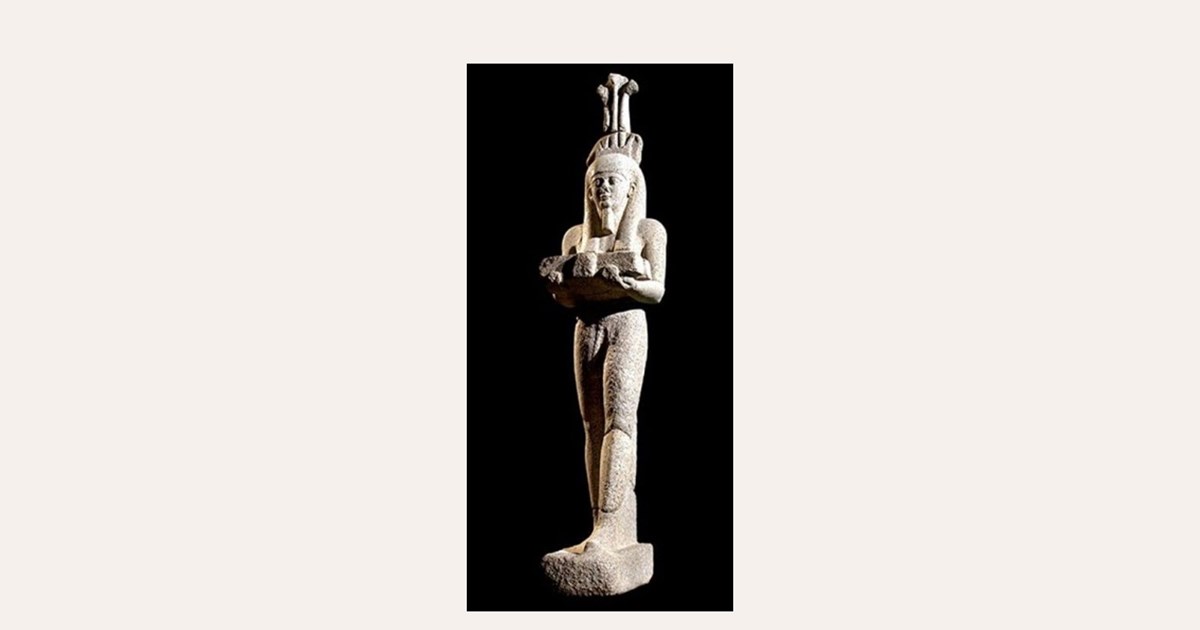
Ptolemaic queen in the form of the goddess Isis
📍 Alexandria
A colossal statue of a Ptolemaic queen in the form of the goddess Isis. It is one of the largest female statues discovered from that period. Isis is important goddess in Egyptian belief, symbolizing motherhood, magic, and protection. The depiction of the queen as Isis reflects a combination of political power and religious sanctity and shows the queen's emphasis on her role as a "mother" and protector of the king and the people. its connection to the land, the Nile, and fertility. This statue is a powerful example of the cultural fusion between the Egyptians and the Ptolemies for propaganda purposes that enhance the sanctity of royal rule and support the legitimacy of the government. The statue highlights the classical features of Ptolemaic art with a balance between traditional Egyptian sculpture and Hellenistic features. Historical period: Ptolemaic era - 2nd century BC Material: Pink Granite Dimensions: Height: 490 cm Width: 120 cm Thickness: 75 cm
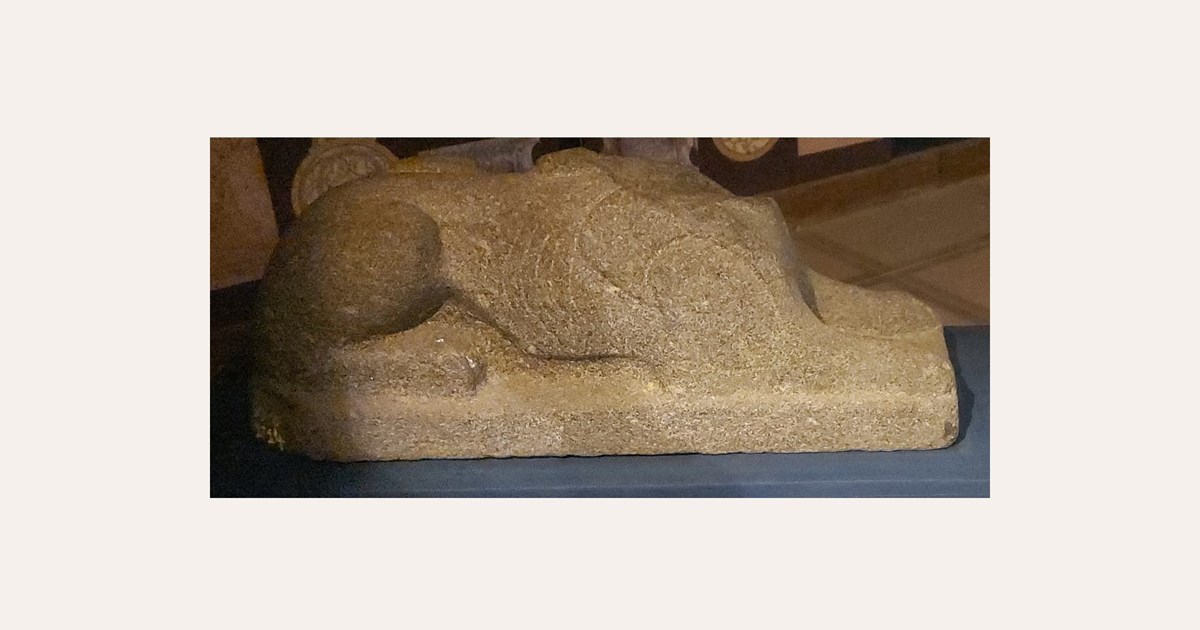
Small-sized sphinx statue
Small-sized sphinx statue – missing the head, neck, and part of the shoulders; the tail curves around the left haunch. Material: Granit_gris Provenance: Canope
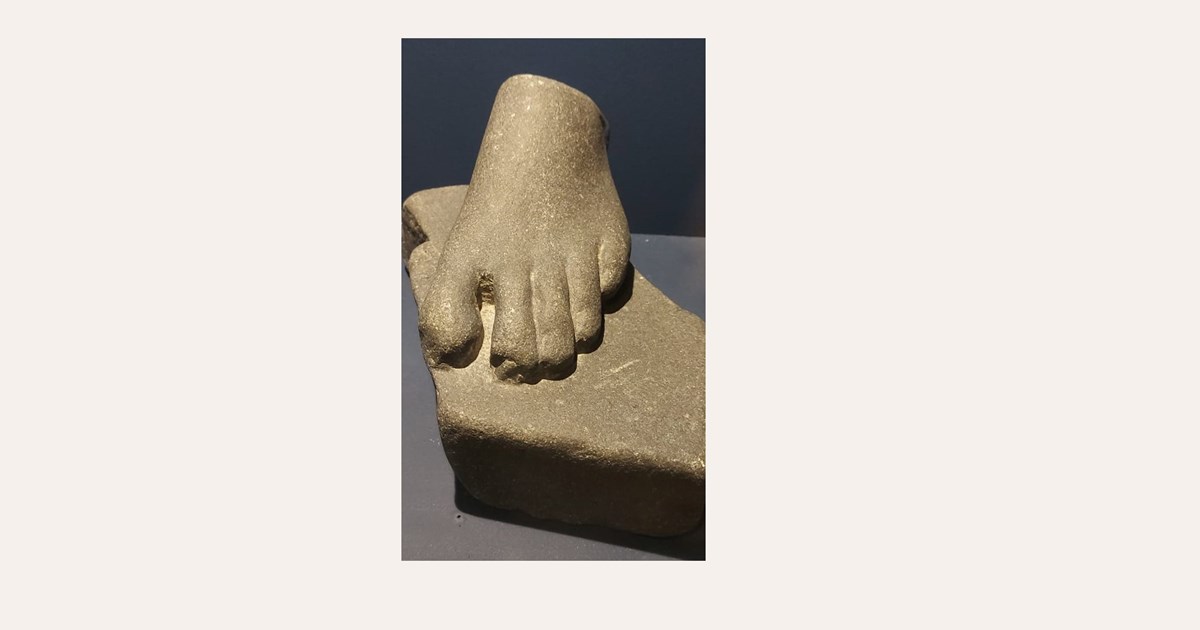
A base surmounted by a human right foot
A base bearing a human right foot – the instep is finely carved, with all toes complete. There is a break at the junction of the foot and the leg (the back of the foot). The base is uneven due to fractures in various directions. material: Basalt Dimensions: Maximum height: approx. 13.5 cm Maximum width: approx. 24 cm Maximum length: approx. 21.5 cm provenance: Canope
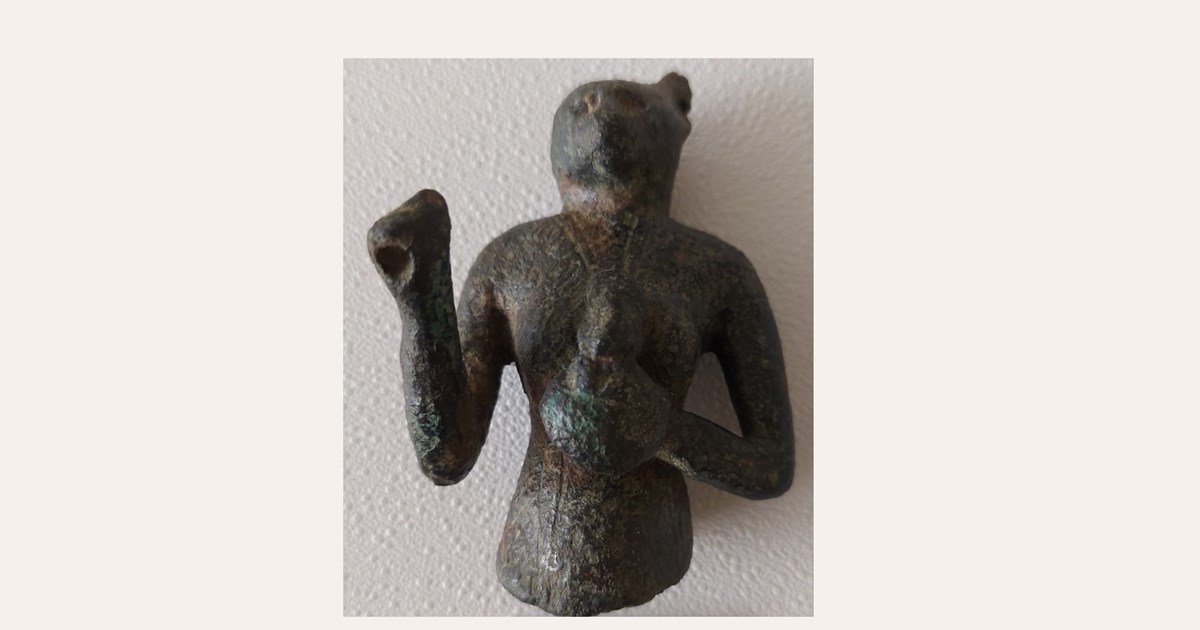
Statue of the deity Bastet
Statue of the deity Bastet Missing the lower part and right ear, with visible rust layer and surface erosion. material : Bronze Dimensions: W. 4.5cm; L. 7.2 cm provenance : Heracleion
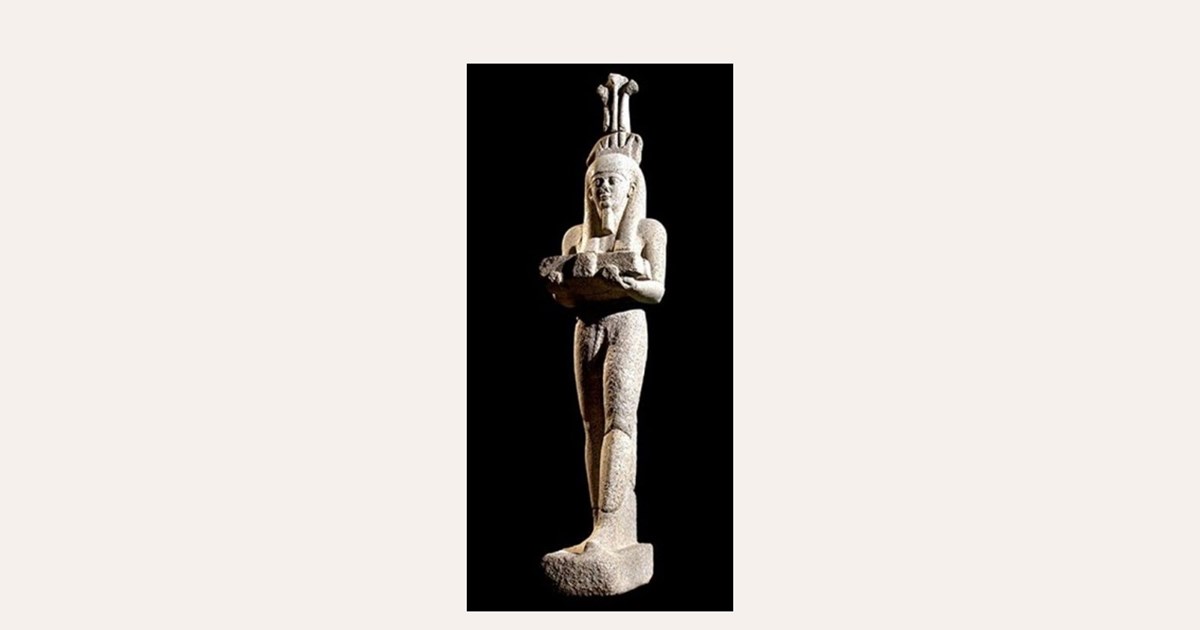
Statue of the god Hapi
Ptolemaic Period
📍 Alexandria
The god Hapi is one of the most important religious symbols in ancient Egypt, representing the flooding of the Nile River, the source of life and fertility. The statue features symbolic physical features such as a full belly and sagging breasts, features that signify abundance and fertility (two traits associated with the Nile flooding). The god Hapi was worshipped as a fertilizing force. He was a god who was clearly genderless, combining symbols of masculinity and femininity (universal nature). The presence of a statue of this size indicates the greatness of this god in Egyptian beliefs, especially in the later period, when the importance of rituals associated with the flood increased. Date: Ptolemaic Period Material: Pink Granite Dimensions: Height: 340 cm Width: 105 cm Depth: 60 cm Source: Artifacts recovered from the Abu Qir site, 2001
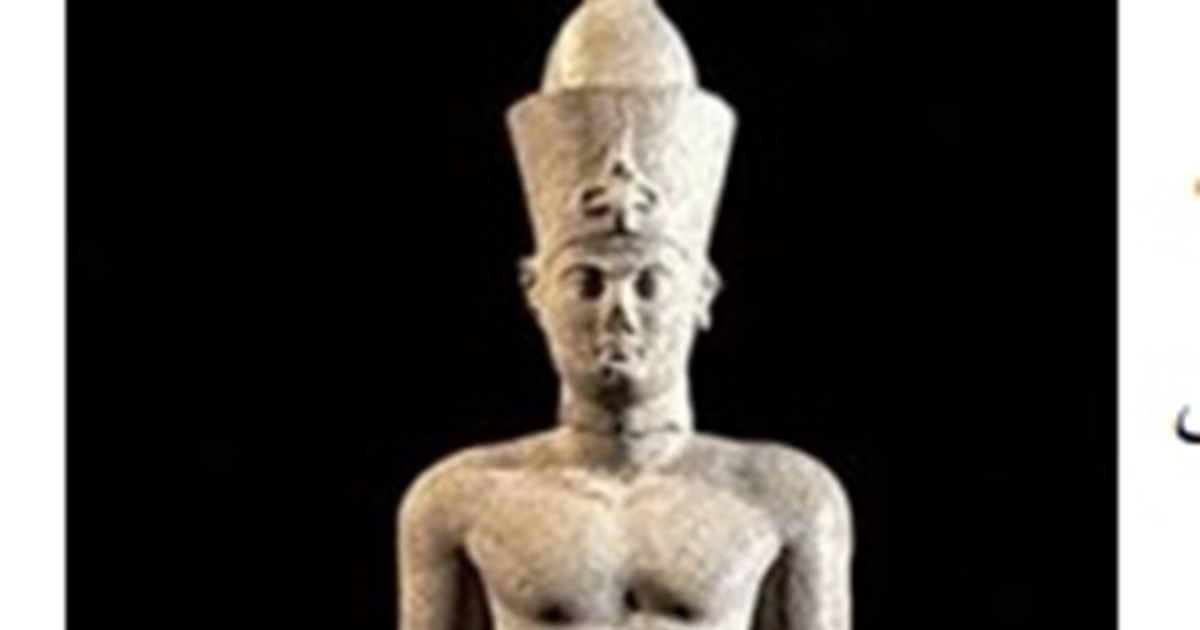
A huge red granite statue of one of the great Ptolemies:
Ptolemaic era
The statue represents an idealized depiction of King Ptolemy, rendered using the traditional vocabulary of Egyptian art, with subtle Ptolemaic influences. The use of solar elements in the crown alludes to the association with the god Amun-Ra, thereby enhancing the king’s religious and political roles. The head is topped with a composite double crown. The statue weighs approximately 5.5 tons and stands at a height of about 5.25 meters." Date: Ptolemaic era Medium: red granite Provenance: Heraklion
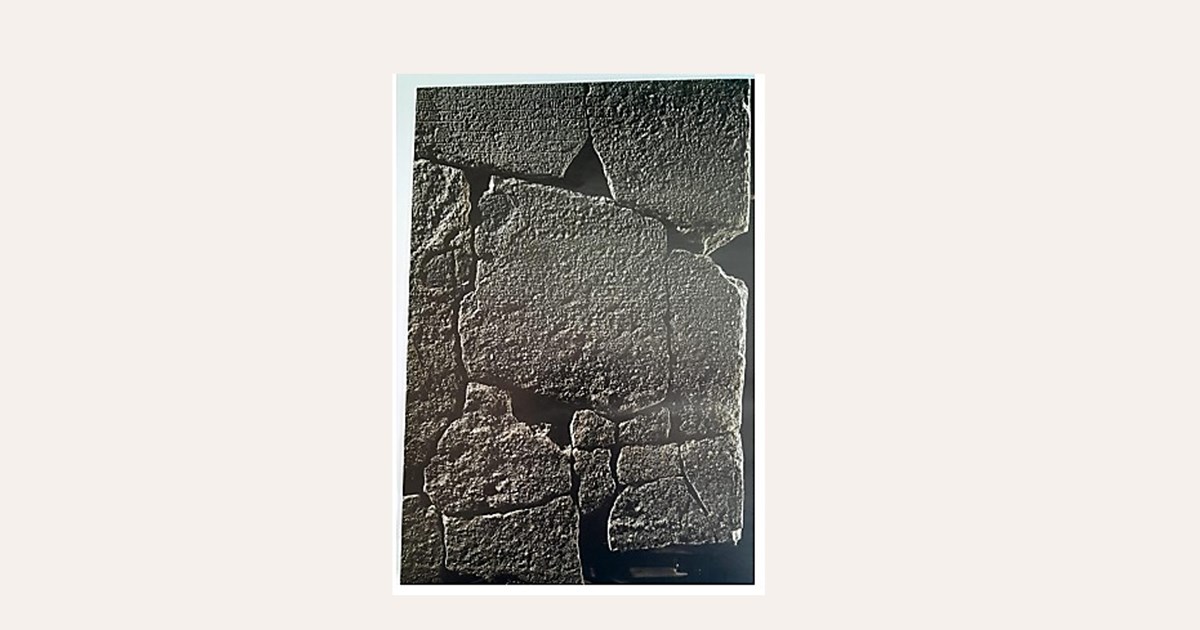
Stela of King Ptolemy VIII
"ca. 2nd c. B.C.E."
📍 Alexandria
A memorial stela for King Ptolemy VIII, one of the most prominent kings of the Ptolemaic era in Egypt, known by his title "Eurgetes". It documents the kings' achievements, religious ceremonies, and historical events. Therefore, it represents an important source for understanding the religious and administrative policies in Ptolemaic Egypt. Although the era of King Ptolemy VIII was full of political conflicts, the size and weight of the stela demonstrate the royal prestige. It is 170 cm wide, about 310 cm high, and weighs about 12 tons. Date: "ca. 2nd c. B.C.E." Medium: Granite/Quartzite Provenance: Abu Qir
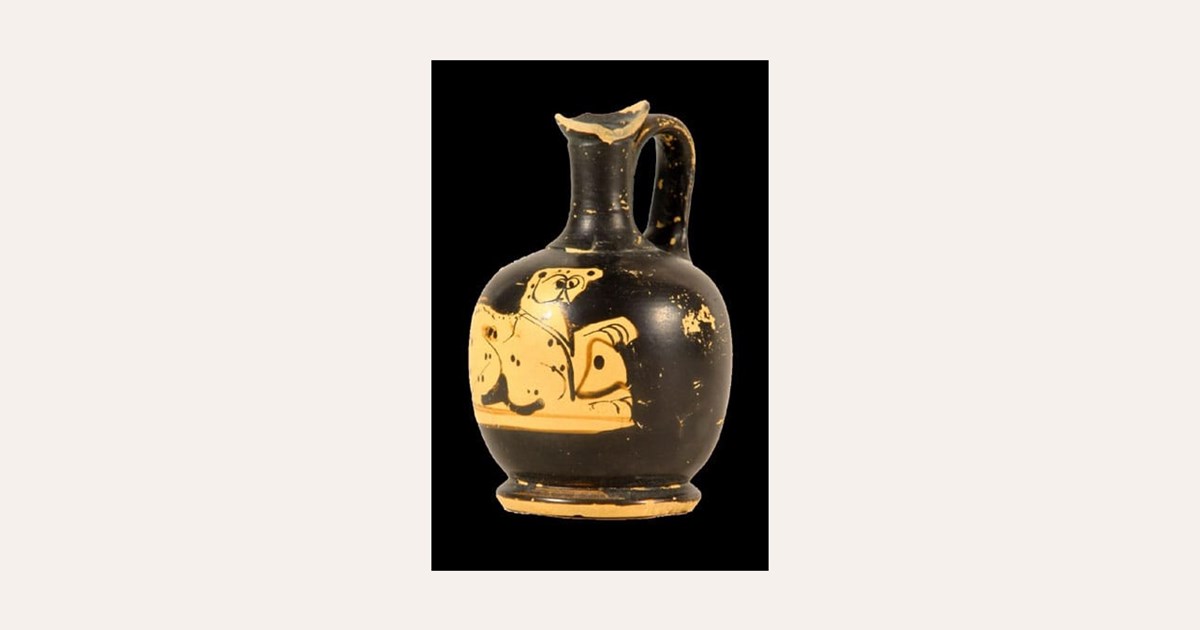
Lekythos (perfume bottle)
5°/4° c. B.C (-400/-375)
A bottle-shaped vessel with black glaze and a depiction of a crouching animal. The neck is narrow, the spout is broken and missing, and there is one handle. The base is circular and parts of the glaze are missing. Medium:Terre_cuite Date:5°/4° c. B.C (-400/-375) Provenance: Heracleion
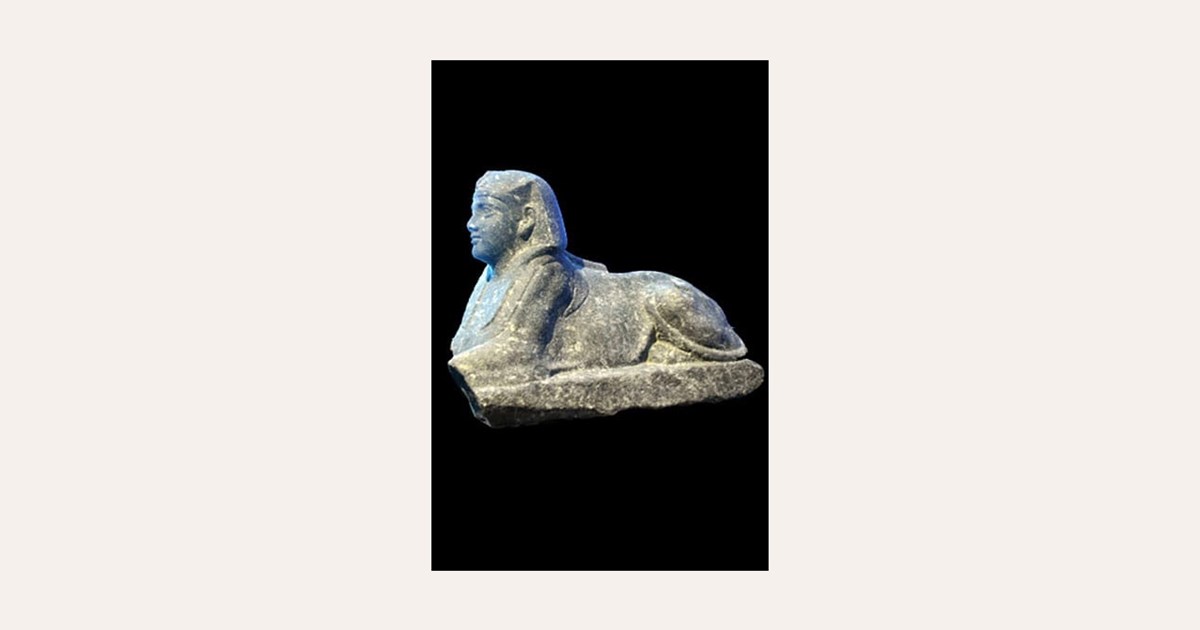
Sphinx
1st cent. B.C
A statue of the Sphinx with a broken front left foot missing, and a part of the back right foot missing, tilted Date: 1st cent. B.C Medium: Diorite Provenance: Heracleion
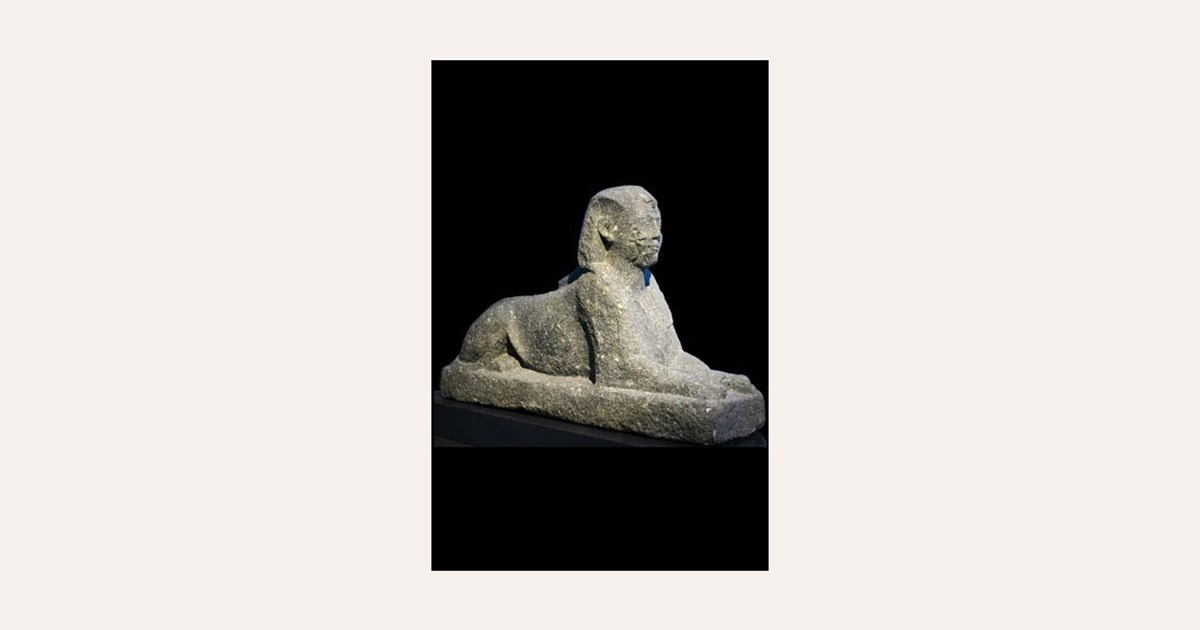
Sphinx statue
1st cent. B.C
A statue of the Sphinx, the statue is incomplete and the surface is eroded Date: 1st cent. B.C Medium: Granit_noir Provenance: Heracleion
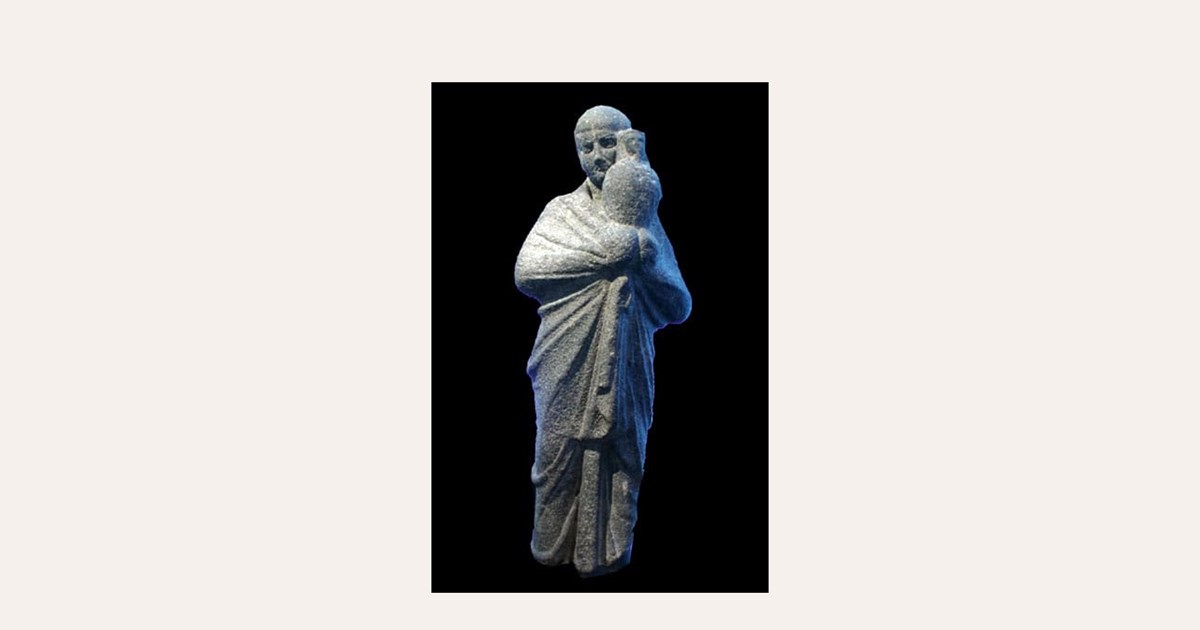
Priest Holding Osiris-Canopus Vase
1st cent. B.C
A statue of a priest missing his feet and legs, carrying a canopic jar of the god Osiris, wearing a cloak covering his hands, and with a shaved head. Date: 1st cent. B.C Medium: Black granite Provenance: Heracleion
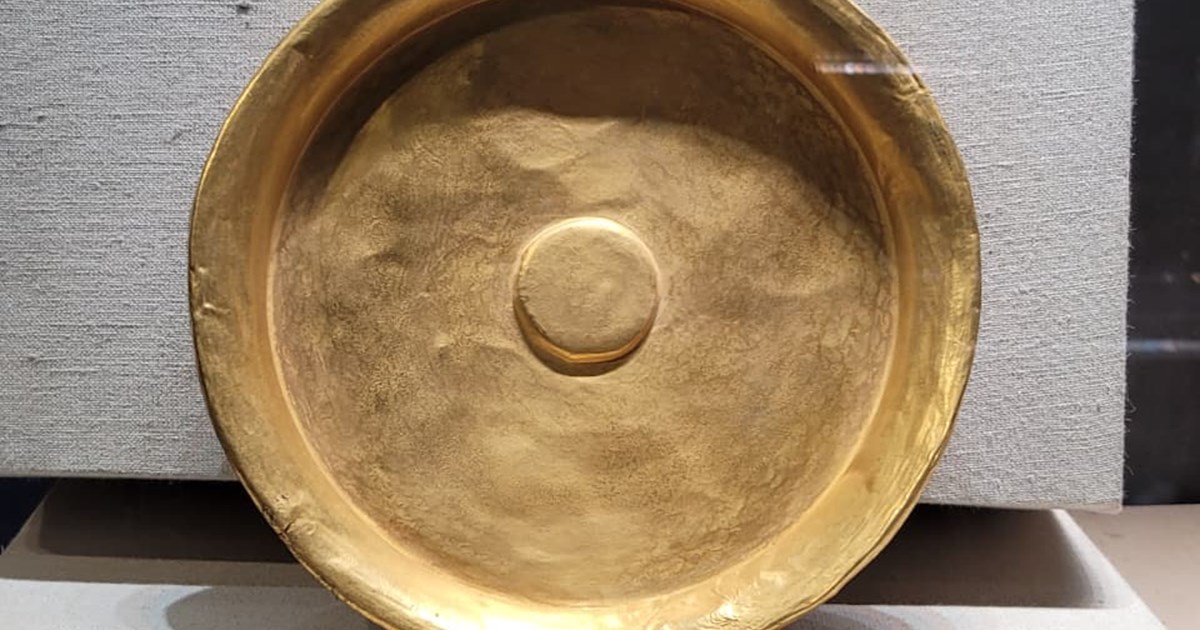
Shallow dish (phiale)
4°- 2°cent B.C.E
A semi-circular dish with raised, outward-pointing edges, irregularly dented parts, and a circle in the center. Date: 4°- 2°cent B.C.E Medium: Gold Provenance: Heracleion
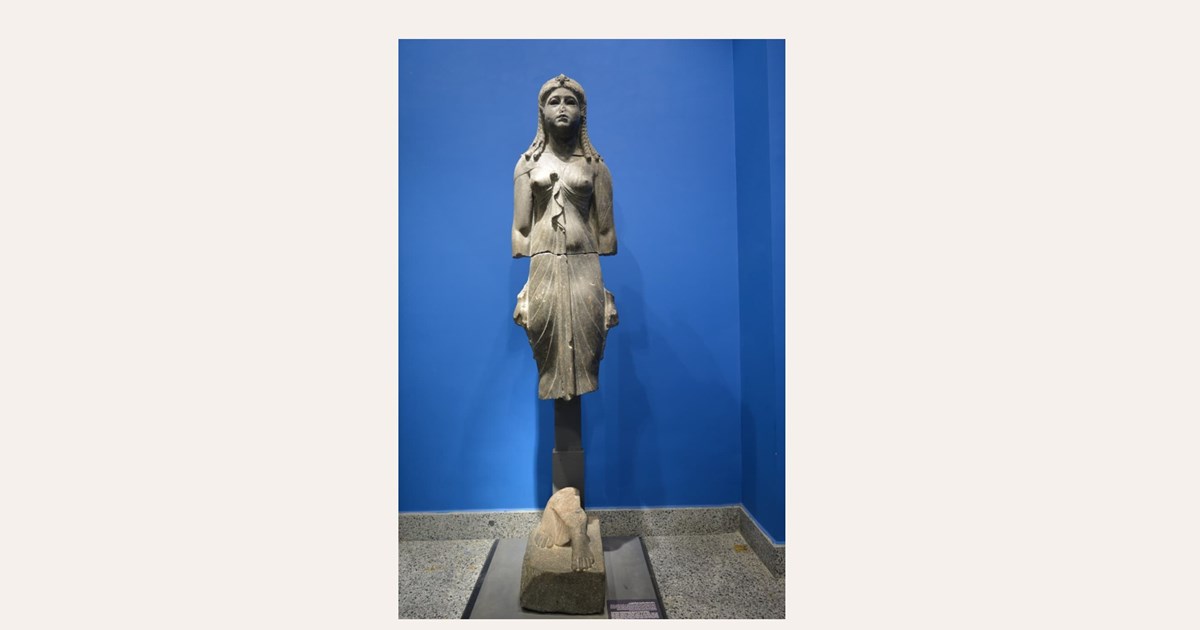
Queen Dressed as Isis
2° c. B.C.E
A statue of a woman believed to be Isis, broken into four parts: the head, the torso, the middle, and the base with the feet. this statue depicts a ptolemic queen in Isis attire, with the distinctive corkscrew hairstyle known as berenike’s hairstyle. this statue seems to have been dedicated in one of the temples of canopus (modern Abuqir). canopus was a flourishing suburb near alexandria. many temples were built there for Greek and Egyptian deities. Date: 2° c. B.C.E Medium: gray granite Provenance: Heracleion
Coin with Head of Ptolemy I
3°cent. B.C (-295/-285)
A semi-circular coin with an eagle spreading its wings on one side and Greek letters on the other side, and a royal face on the other side. Date: 3°cent. B.C (-295/-285) Medium: Gold Provenance: Heracleion
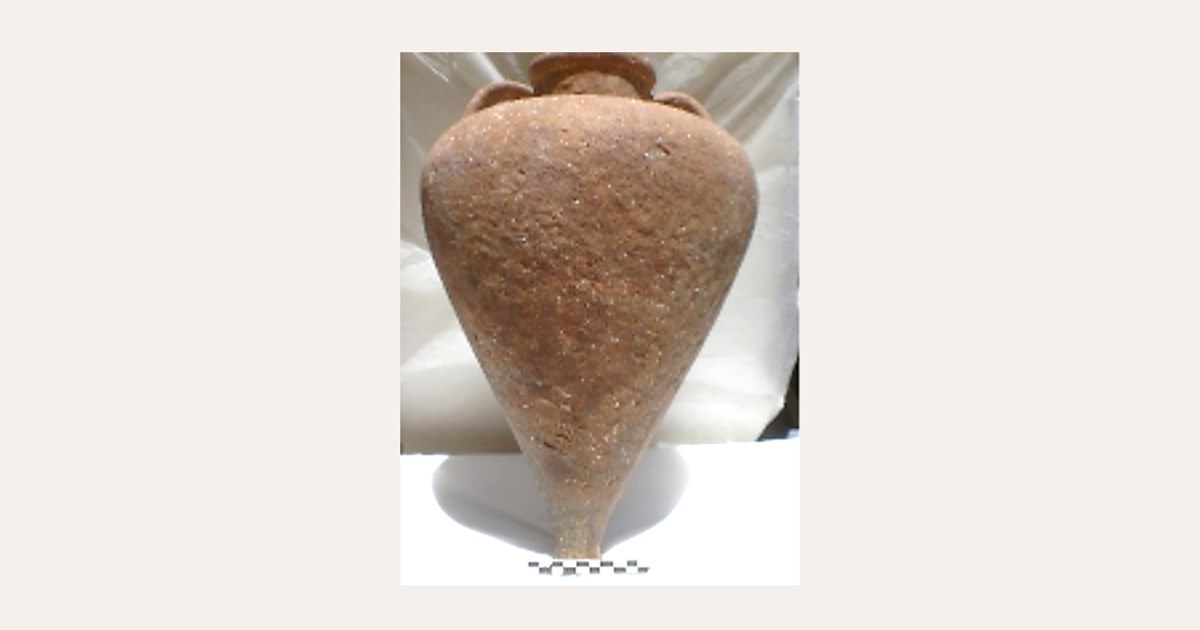
Amphora
A medium-sized pear-shaped earthenware vessel with two handles connecting the neck to the body. The neck ends with a ring-shaped rim that slopes slightly outwards. The body has cracks and traces of restoration, and the base is stripped to the bottom. Date VI° c. B.C.E (-550/-525) Medium: Ceramic Provenance: Canope
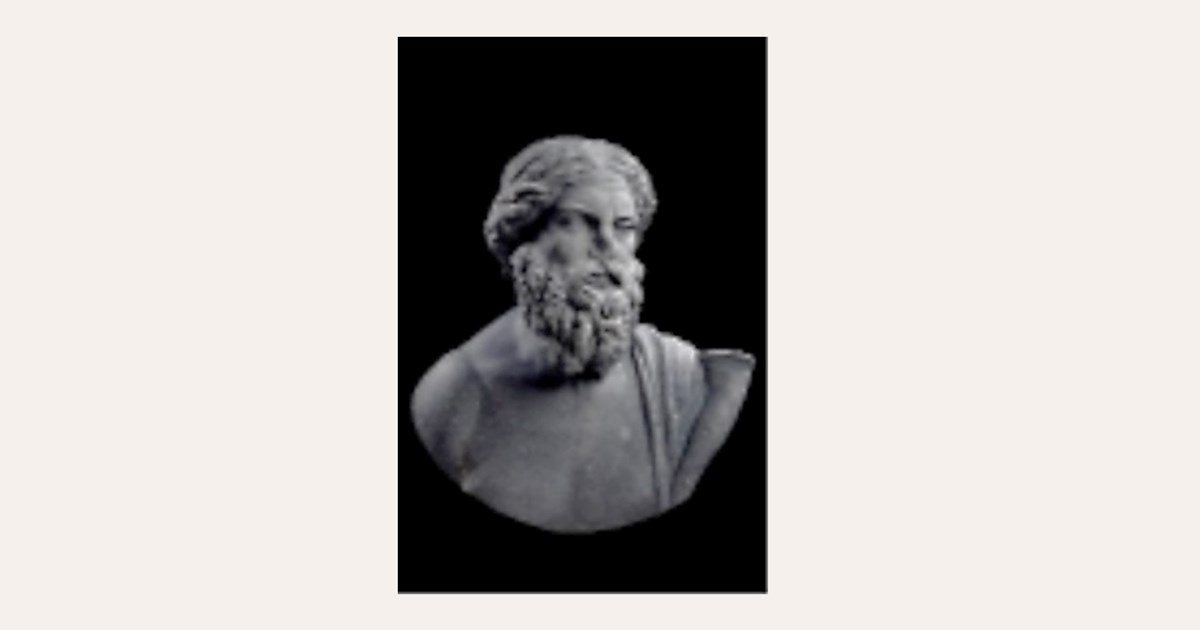
Bust of Neilos, god of the Nile
2° cent A.D.
A statue of a bearded man believed to be the Nile god. Date: 2° cent A.D. Medium: Graywacke Provenance: Canope
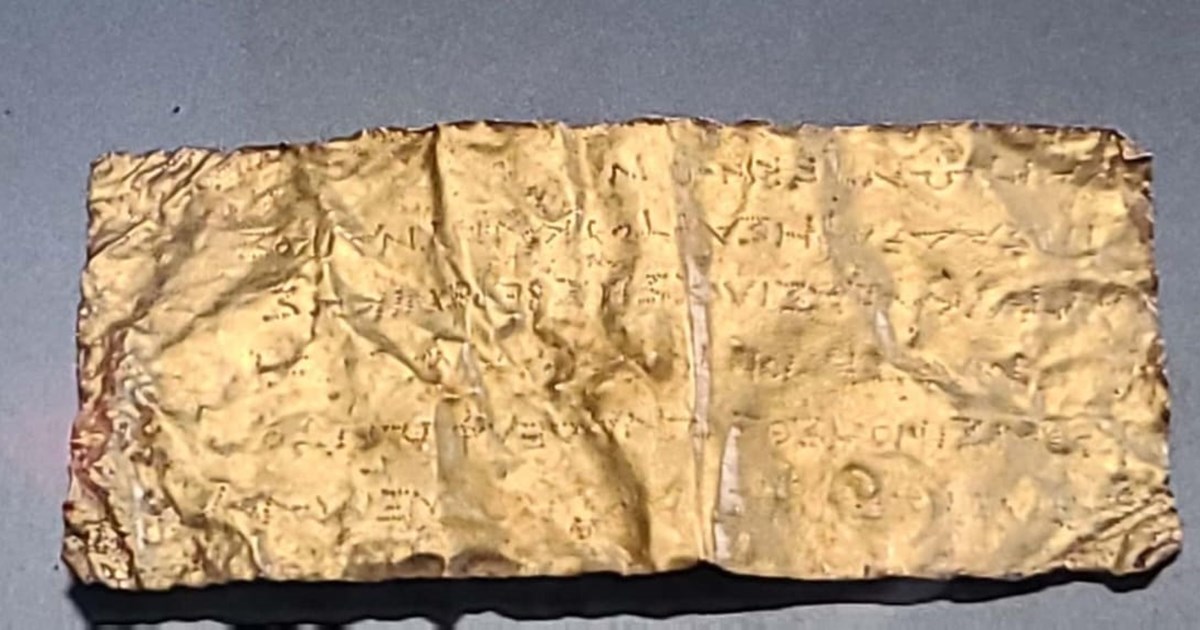
Foundation Plaque of Ptolemee III
246-221 BC
A gold plate with a Greek inscription consisting of six rectangular lines. Date: 246-221 BC Medium: Gold Provenance: Heracleion
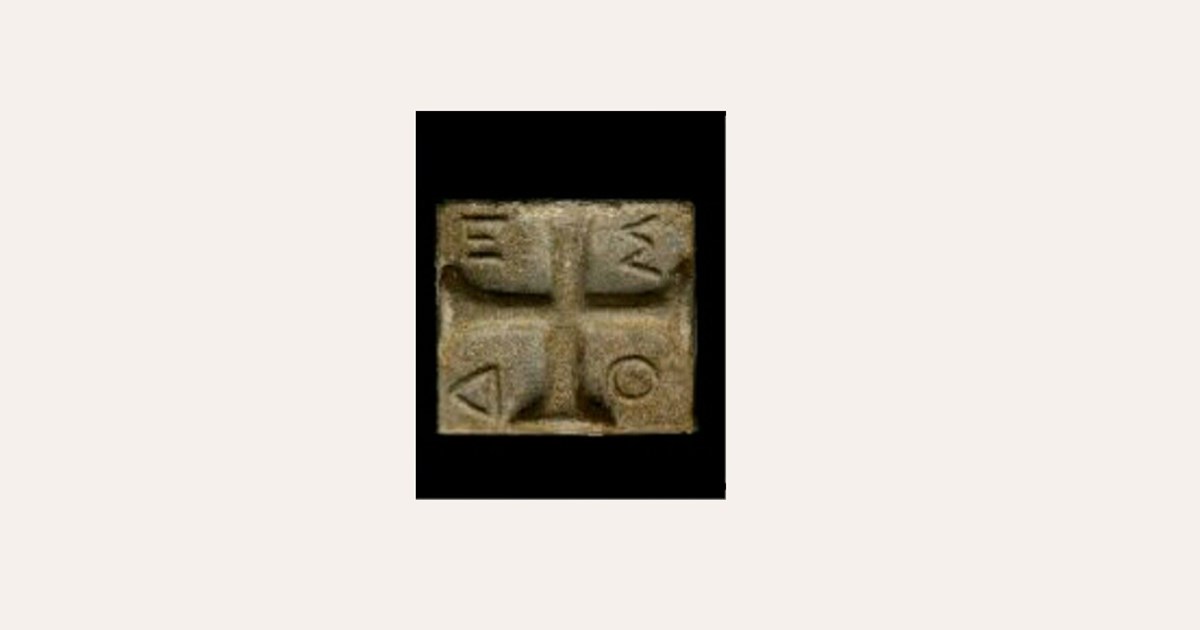
square block
A square-shaped block featuring a raised relief of an equal-armed cross adorned with four letters on its arms. The surface is covered with a layer of rust