Museums
24 entries
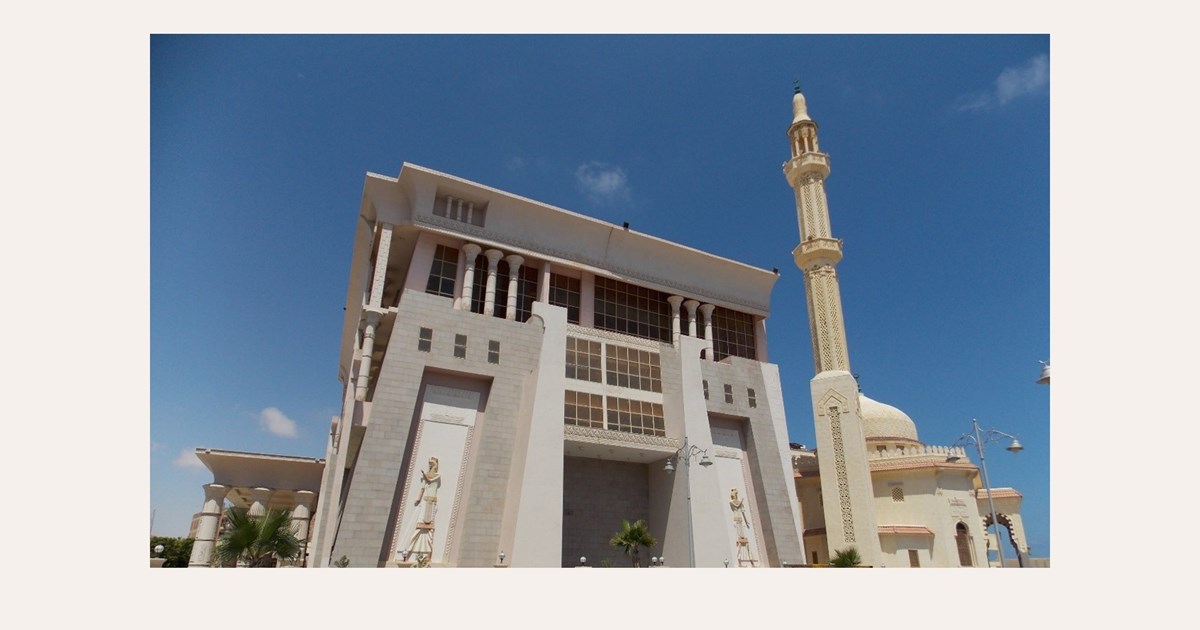
Marsa Matrouh Museum
📍 Matrouh
This museum was established inside the Misr Public Library in Matrouh, in cooperation with the Governorate, to highlight the city’s rich and eventful history across different eras, as revealed through the results of archaeological excavations in the region. The history of Matrouh dates back to the time of the Pharaohs. It is believed that the northeastern part of the governorate may have belonged to the Seventh Nome of Lower Egypt. In addition, much of the city was part of the Egyptian nome known as “Lubia.” During the Roman era, the city was known as “Paraetonium” and “Amunia”—the latter derived from the name of the god Amun. The museum covers a total area of 728 m² and is divided into two floors. It houses a wide collection of artifacts that illustrate the story of the Pharaohs and their strategies to secure Egypt’s western borders and deserts through the construction of forts and castles, since the city served as Egypt’s western gateway. Exhibits also highlight the desert goddesses, the role of Marsa Matrouh in fishing and trade, its connections with neighboring regions, and its contributions to astronomy, science, and philosophy.
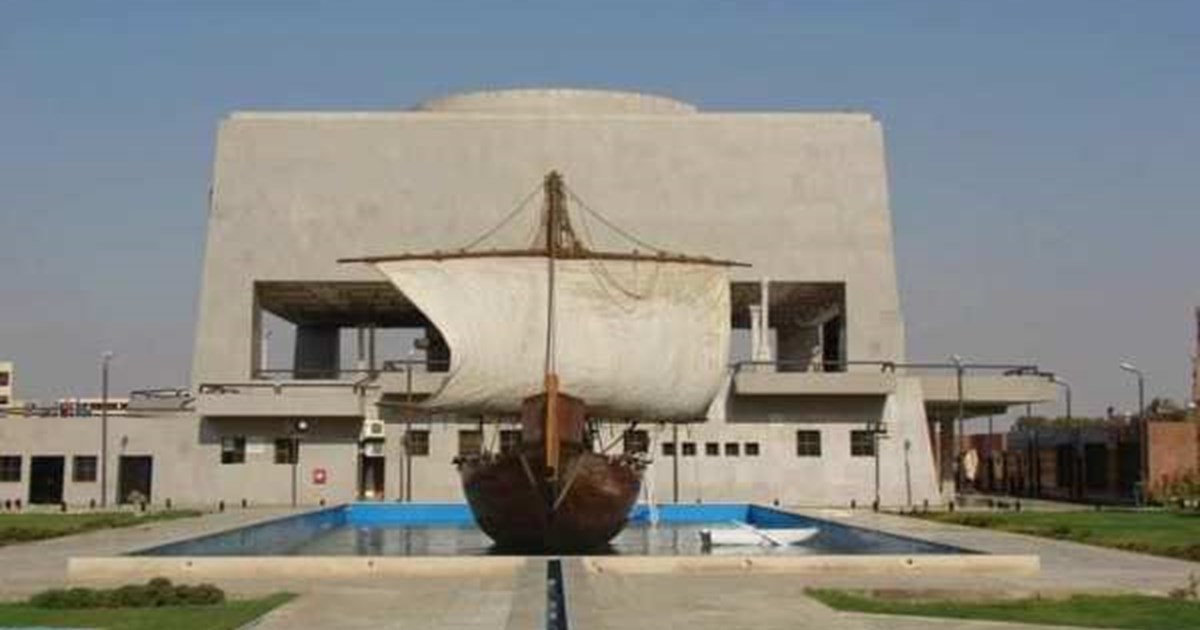
The National Museum of Suez
📍 Suez
The idea for the National Museum of Suez was conceived after the collapse of the older museum during the war in 1967. Its collection was moved to the storage rooms of the Egyptian Museum, on Tahrir Square. The Suez National Museum was established to serve as a cultural beacon and a touristic landmark shedding light on the history of the Suez Canal, which connects the Red Sea and the Mediterranean Sea. The museum gives an account of the history of the city of Suez and its antiquities from prehistory to the modern era,The museum was opened on a trial basis in January 2012, but was not officially opened to the public due to the security conditions at that time. It was officially opened to receive visitors on September 29, 2014. The museum consists of two floors separated by an open exhibition hall that displays different styles of Greek, Roman and Islamic archaeological columns. The museum sheds light on the digging of the Suez Canal as well as other canals and their role in sea trade, such as the "Canal of the Pharaohs" dug by Nekau II. It also highlights the spheres of mining and shipbuilding, Egypt’s commercial relationships, and the important part that Suez plays in the hajj (pilgrimage to Mecca). In addition to this is the mummification hall is one of the most important halls of the museum, as it simulates the cemetery from the inside and contains a complete depiction of the mummification process, including mummification tools, votive plaques, offering tables, and a group of colored coffins, in addition to a mummy of a priest with a magic spell. One of the most prominent objects is a statue of King Senwosret III dating to the Middle Kingdom (Twelfth Dynasty). The museum also includes a stela of the Persian king Darius I, one of four that he set up along the canal connecting the Nile with the Red Sea in commemoration of its excavation. The museum also includes a library and an activities centre where different educational programs and events are held. The museum’s garden contains a modern replica of a ship from the reign of Hatshepsut (The New Kingdom,18th Dynasty) of the type that she used to send on trading expeditions to faraway lands.
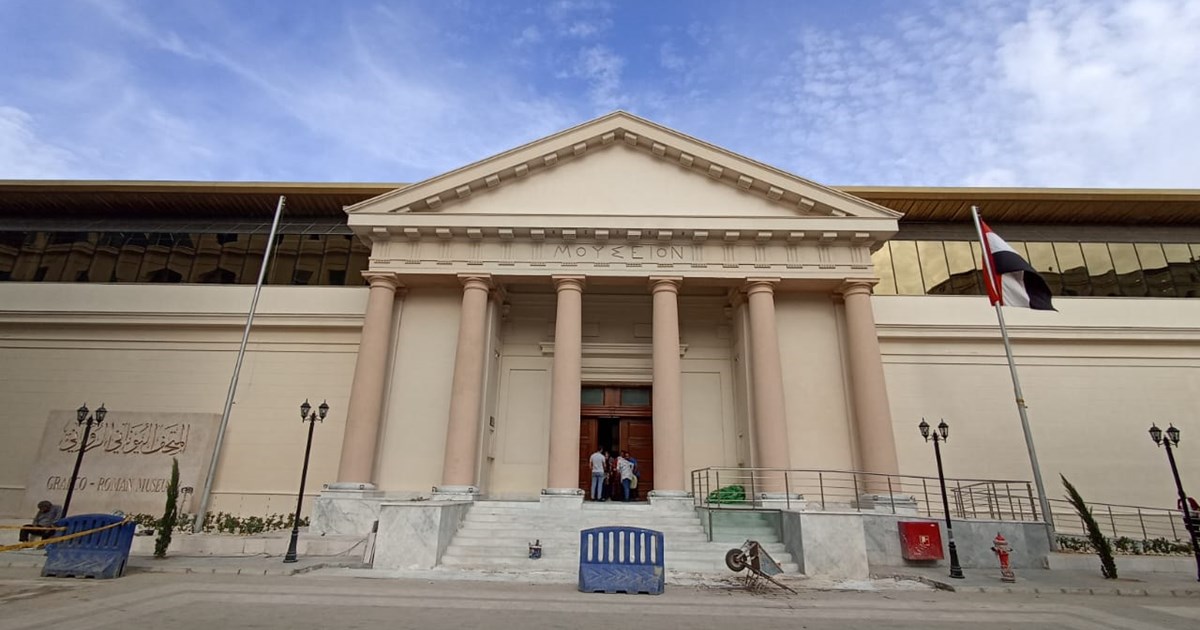
Graeco-Roman Museum
📍 Alexandria
The Graeco-Roman Museum of Alexandria is one of Egypt’s most important cultural landmarks, and the first building in the country to be specially designed for the preservation and display of antiquities. It remains unique as the only museum fully dedicated to the civilization of Egypt during the Greek and Roman periods. The idea of the museum began in 1889 with the Italian scholar Giuseppe Botti, who aimed to protect Alexandria’s antiquities from loss and destruction. Thanks to his efforts, the museum was officially established in 1892 and inaugurated by Khedive Abbas Helmy II. The first location was a modest rented house, but the growing discoveries soon created a need for a larger building. In 1894, Nubar Pasha laid the cornerstone of a new neoclassical building designed by the architects Dietrich and Stenon. The construction was completed in just one year, and the museum reopened in 1895. Over the years, the museum was directed by several prominent scholars, both foreign and Egyptian, reflecting its international significance. Since 1953, Egyptian archaeologists have been in charge of the institution. The museum has undergone several expansions and renovations, the most recent beginning in 2005 and continuing after 2015. These developments introduced a new upper floor, redesigned interiors, and modern display methods, ensuring that the museum continues to serve as both a scientific center and a cultural gateway for visitors to explore Alexandria’s rich Graeco-Roman heritage.
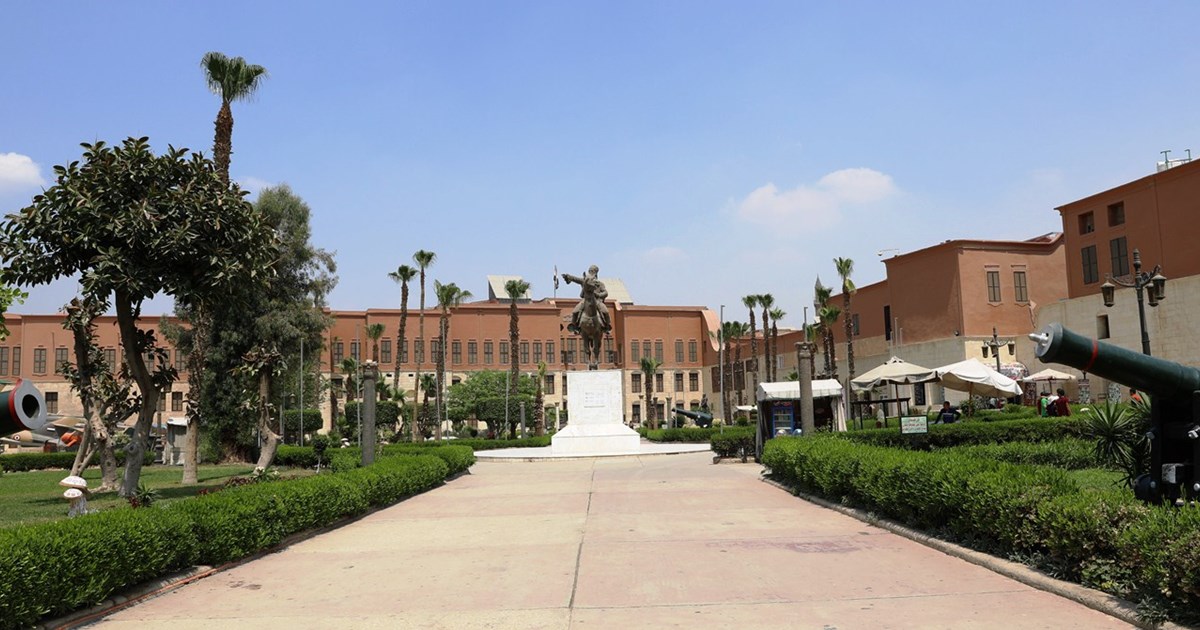
National Military Museum
📍 Cairo
This museum is the first of its kind to be devoted to the history of the Egyptian military through the ages. The museum was first located in the building of the Ministry of Defense in Falaki in 1937, after which it was transferred to another building in the neighborhood of Garden City in 1938, before finally being transferred to al-Haram Palace in 1949 in the Cairo Citadel in 1949. This palace, built by Muhammad Ali Pasha in the 19th century, was renovated and reopened in 1993. Through a variety of items on display including artifacts, replicas, scale models, and dioramas, the museum displays the development of weapons and military equipment and costumes. It also puts the spotlight on the most important battles and military figures in Egyptian history. Also, the museum’s open-air area displays several real tanks and aircraft that were used in the October 1973 war.
Helwan Corner Museum
📍 Cairo
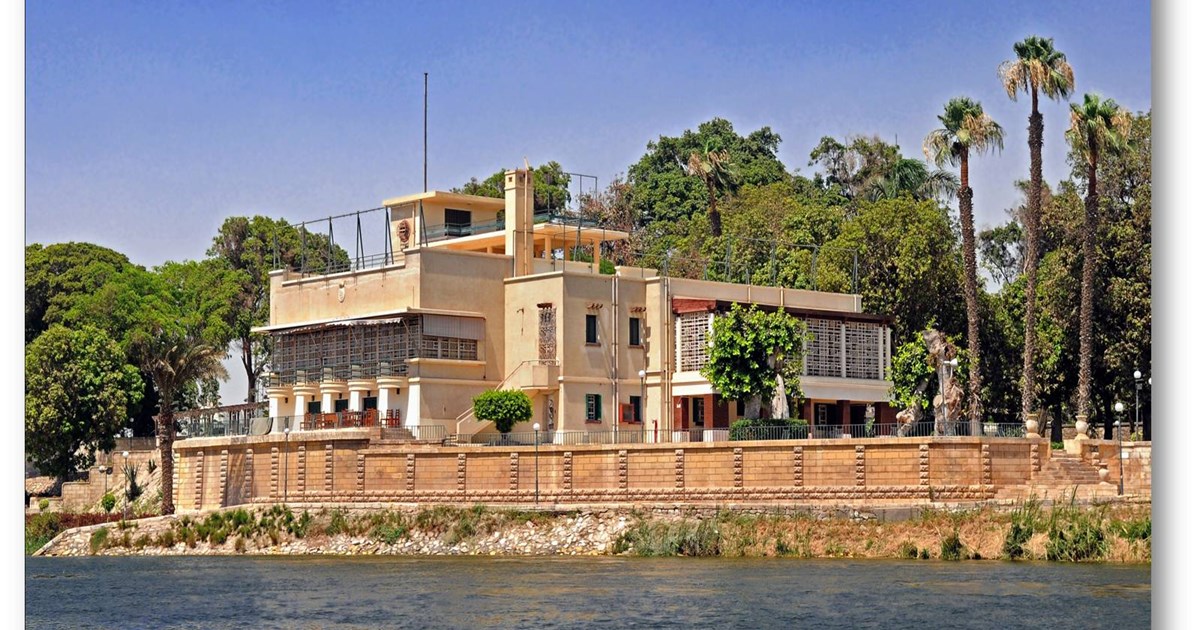
In 1942, King Farouk built a rest house that came to be known as Farouk’s Corner. It was built in the shape of a sailboat on the bank of the Nile. The royal rest house was then converted into a museum, and in 2016 the Museum was reopened after renovation to the public. The museum displays a collection of objects that once belonged to the royal family including statues, souvenirs, and photographs and oil paintings of members of the royal family. The museum also houses a collection of replicas of the furniture discovered in King Tutankhamun’s tomb, moved here after their original location in King Farouk’s rest house near the Giza pyramids. One of the most distinctive features of the museum is a large garden that includes various types of rare plants in addition to rare mango trees from Albania.
Alexandria National Museum
📍 Alexandria
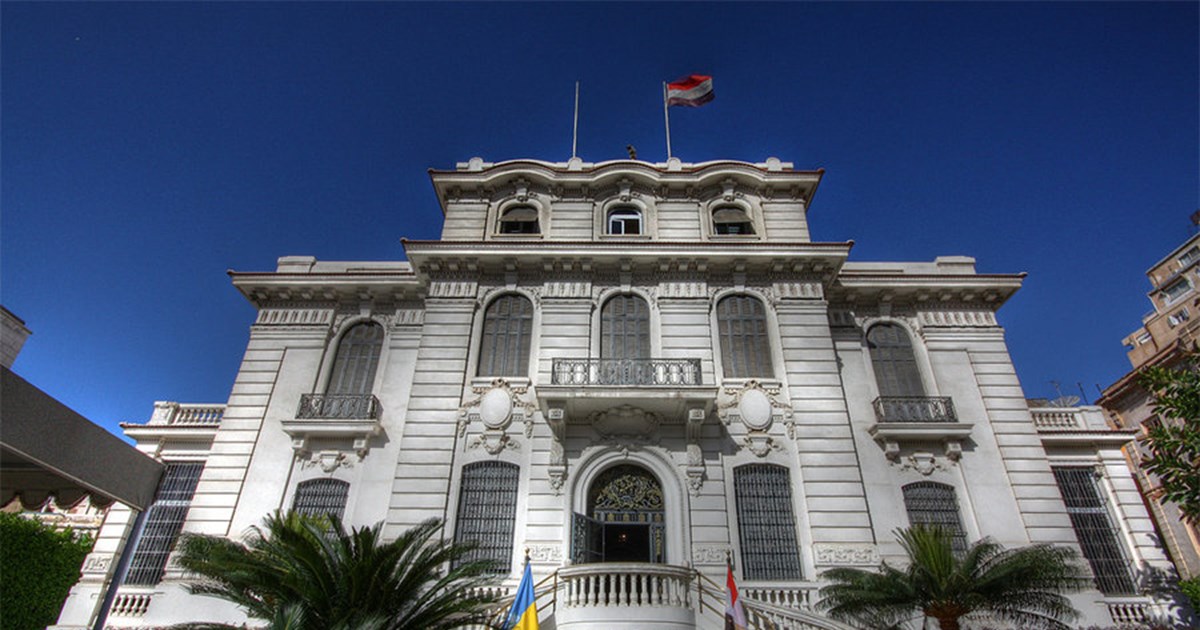
The building that now houses the museum was originally constructed as a palace for Asaad Basili Pasha, one of Alexandria’s wealthiest figures, who designed it in the Italianate architectural style. In 1996, the Supreme Council of Antiquities acquired the property and later converted it into an archaeological museum, officially opening it to the public in 2003. The museum’s collection highlights the historical and cultural heritage of Egyptian arts and crafts, spanning from prehistory to the modern era. Among its most remarkable holdings is a rare assemblage of sunken antiquities recovered from excavations in Abu Qir Bay. In addition, the museum features a currency hall showcasing coins from various historical periods, as well as a distinctive display of Islamic-era weaponry. The galleries further include collections of metals, ceramics, and glass, along with exquisite gold, silver, and jewelry once belonging to the family of Muhammad Ali Pasha.
Nubia Museum
📍 Aswan
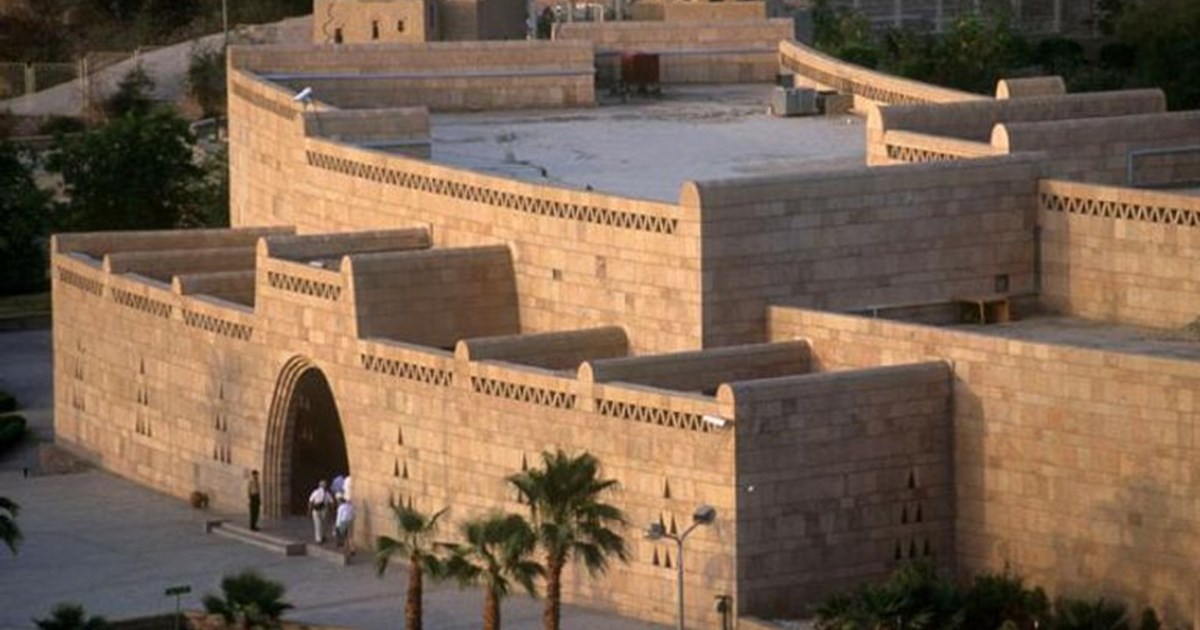
The Nubian Museum was founded in response to the international salvage campaign of the ancient Nubian monuments initiated by UNESCO upon the request of the Egyptian government in 1960. Work on establishing the Nubian Museum began in the early 1980s when a committee was formed comprising of specialists from the Supreme Council of Antiquities, Egyptian universities, and UNESCO. The task of designing the building was entrusted to the architect Dr. Mahmoud Al-Hakim, and the museum’s interior was designed by the Mexican engineer Pedro Ramirez Vazquez, whose job it was to exhibit the archaeological, historical, cultural, and environmental heritage of Nubia. The Nubian Museum was opened in 1997, with its distinctive architectural design clad in local sandstone and pink granite, reflecting traditional local Nubian architecture. In 2001 it was awarded the Agha Khan Award for Islamic Architecture. The museum has three floors, exhibiting thousands of artefacts that shed light on the development of Egyptian and Nubian geographical, social, and cultural civilization. The main exhibition hall and diorama present the local traditions and handicrafts of Nubia. In addition to the exhibition galleries, the museum also holds a lecture hall, library, educational department, theatre, and an open amphitheatre for the presentation of Nubian folklore. The garden attached to the museum serves as an open-air museum that includes a part of a Fatimid cemetery, a cave with prehistoric rock inscriptions, and a waterway symbolising the artery of ancient Egyptian civilization, the River Nile. A series of water channels demonstrates the relationship between the river and the Nubian village surrounded by plants that would have been common in ancient times. A reconstruction of a Nubian house offers a glimpse into the daily life of the Egyptians in Nubia.
Crocodile Museum
📍 Aswan
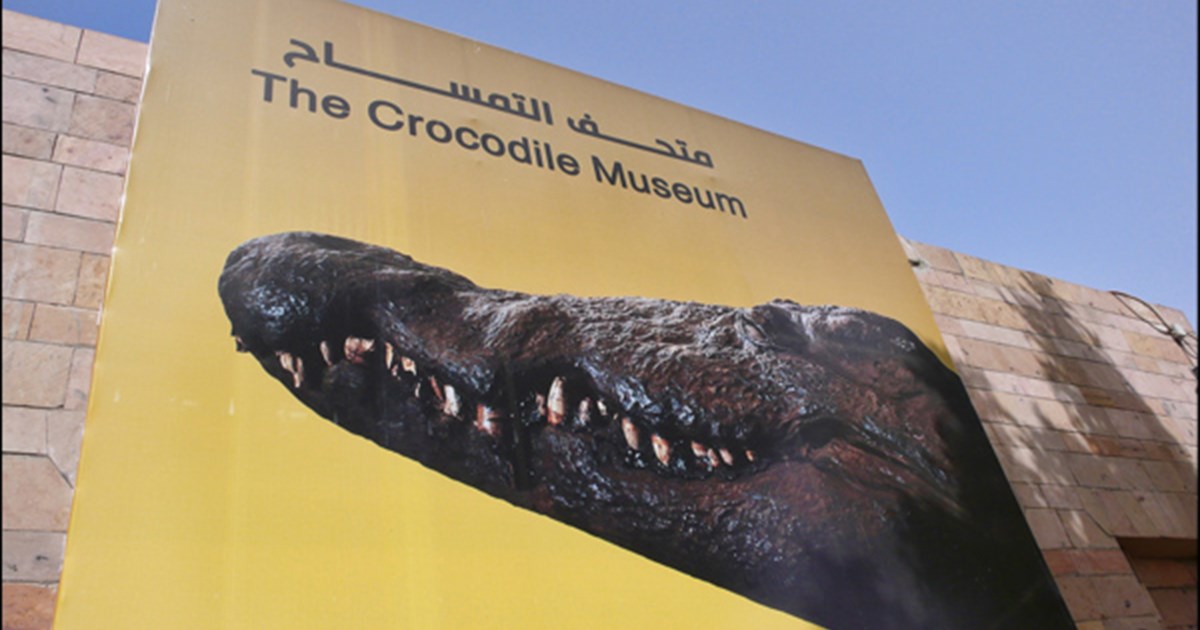
The Crocodile Museum is located next to the Kom Ombo temple, north of Aswan. This museum has highlighted the crocodile-headed god Sobek since it was opened in 2012. Its main exhibition hall displays the mummified mummies of Nile crocodiles. The longest crocodile was 4.30 m, while the smallest was 2 m. In addition to a collection of crocodile fetuses, eyes, and golden and ivory teeth of mummified crocodiles. The museum also shows statues of different sizes of the god Sobek and a tomb model that simulates what was discovered in the Shutb cemetery. It shows the burial methods and the pottery coffins that contained this sacred animal's mummy.
National Police Museum
📍 Cairo
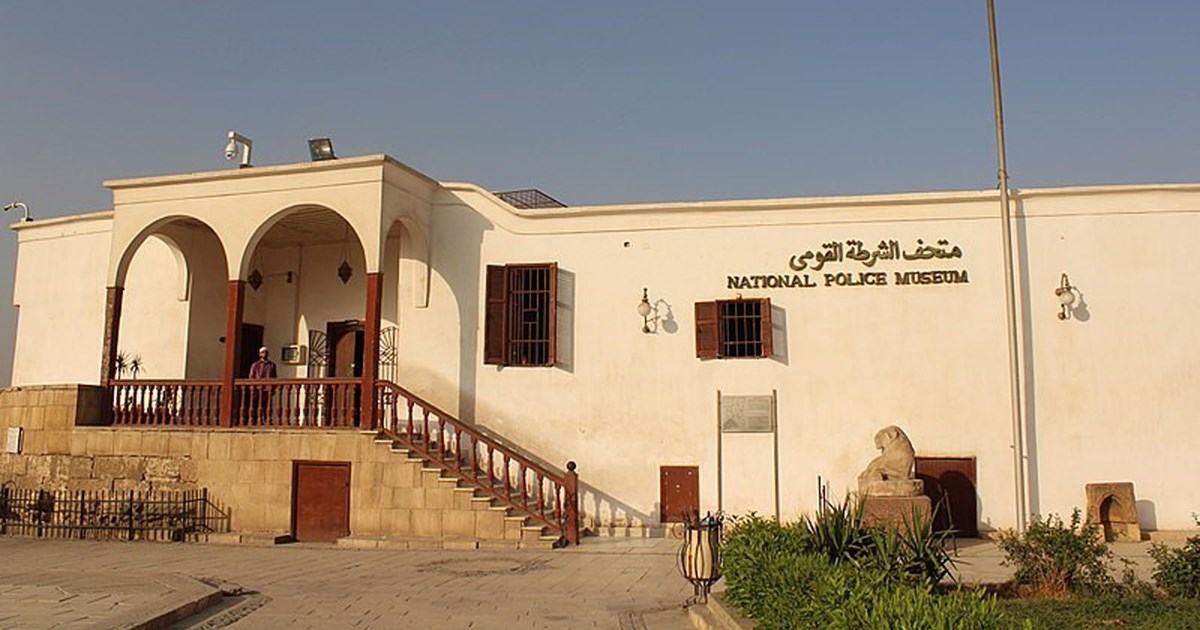
The National Police Museum is one of the museums in the Salah al-Din Citadel, located in its northern section. Its exhibitions display the history of Egypt’s police force, each hall dedicated to a historical time period. One hall shows the police in ancient Egypt, another shows them during the Islamic period, and a third displays fire-fighting equipment. The museum also documents the most important battles, assassinations, and crimes during the modern period, in addition to the evolution of uniforms and weaponry. The museum houses fire trucks used in the eighteenth and nineteenth centuries in addition to several models that represent the Egyptian struggle against colonialism, which culminated in a battle that took place on January 25th, 1952 in al-Ismailiyya. The museum is built above the lions tower which has been discovered during the construction of the museum. It named the lions tower due to the presence of lions carved on the top of tower, which indicates that it dates back to the region of al-Zahir Baybars as it was his emblem. it is only survived tower from the citadel which back to the Mamluk period.
Cairo International Airport Museum - Terminal 2
📍 Cairo
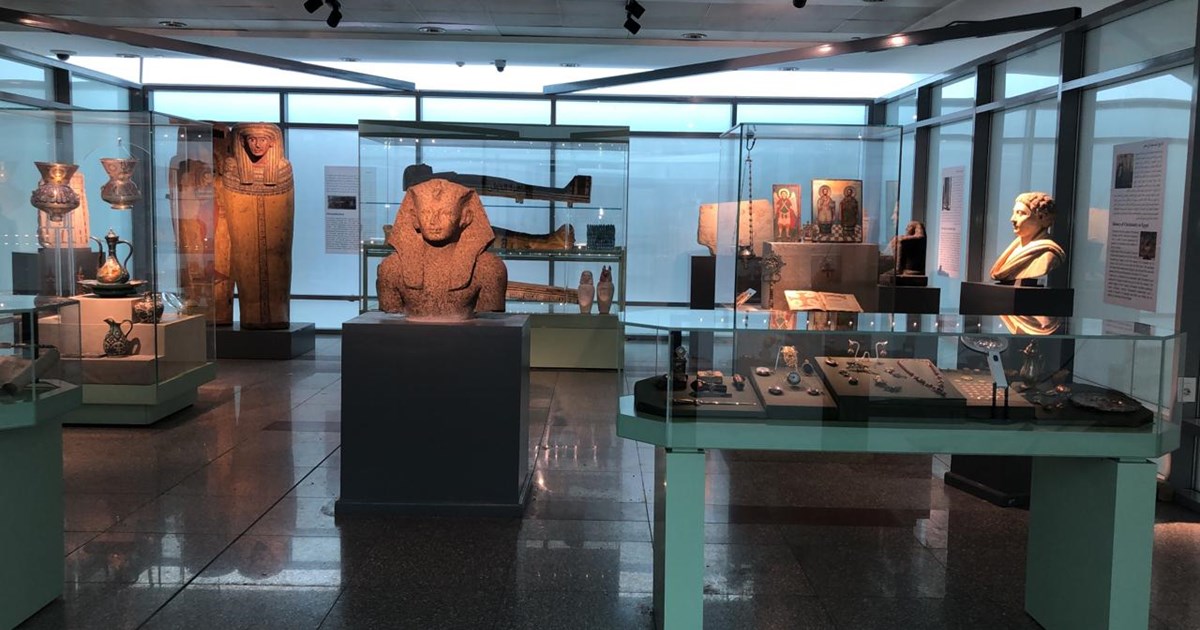
The idea of establishing a museum in Terminal 2 at Cairo International Airport started in 2020. And that is through starting point, through visitors’ episode, on the ancient history of Egypt. Museum was built in the Ministry of Tourism and Antiquities and Ministry of Civil Aviation in an area of about 100 m2.Museum display expresses luminous touches on the history of Egypt throughout its eras. Museum displays unique artifacts that highlight artistic and historical features of each era, starting with ancient Egyptian times, in addition to highlighting characteristics of Roman, Coptic, Islamic, and modern-era arts
The Egyptian Museum
📍 Cairo
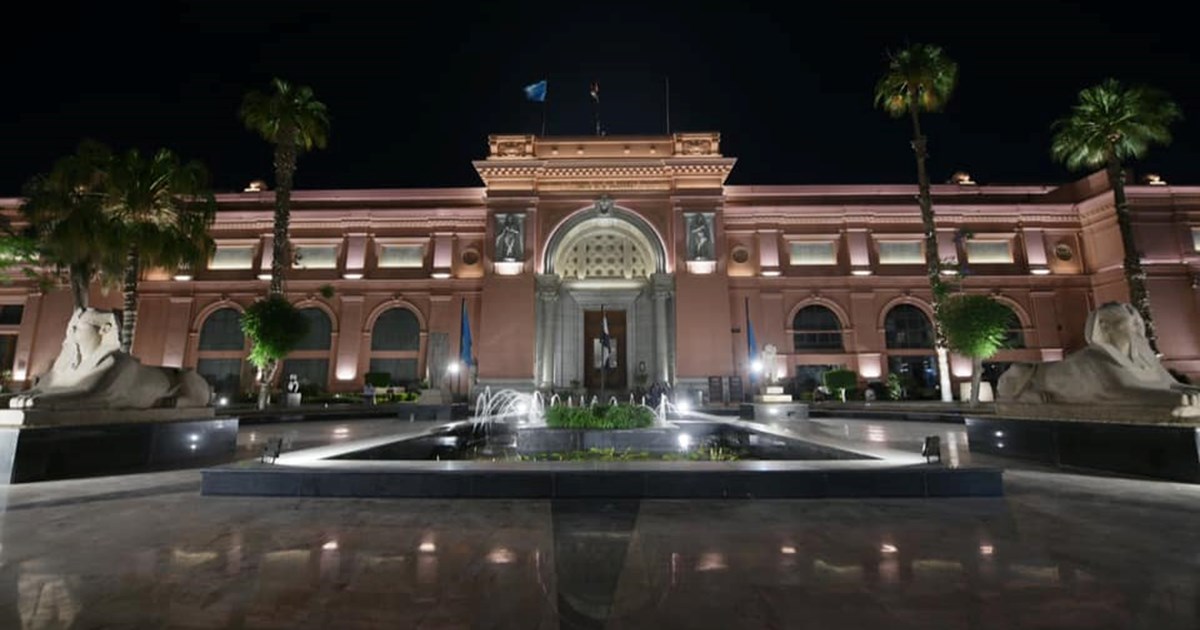
The Egyptian Museum is the oldest archaeological museum in the Middle East, and houses the largest collection of Pharaonic antiquities in the world. The museum displays an extensive collection spanning from the Predynastic Period to the Greco-Roman Era. The architect of the building was selected through an international competition in 1895, which was the first of its kind, and was won by the French architect, Marcel Dourgnon. The museum was inaugurated in 1902 by Khedive Abbas Helmy II, and has become a historic landmark in downtown Cairo, and home to some of the world’s most magnificent ancient masterpieces. Among the museum’s unrivaled collection are the complete burials of Yuya and Thuya, Psusennes I and the treasures of Tanis, and the Narmer Palette commemorating the unification of Upper and Lower Egypt under one king, which is also among the museum’s invaluable artifacts. The museum also houses the splendid statues of the great kings Khufu, Khafre, and Menkaure, the builders of the pyramids at the Giza plateau. An extensive collection of papyri, sarcophagi and jewelry, among other objects, completes this uniquely expansive museum.
Museum of Islamic Art
1880 AD
📍 Cairo
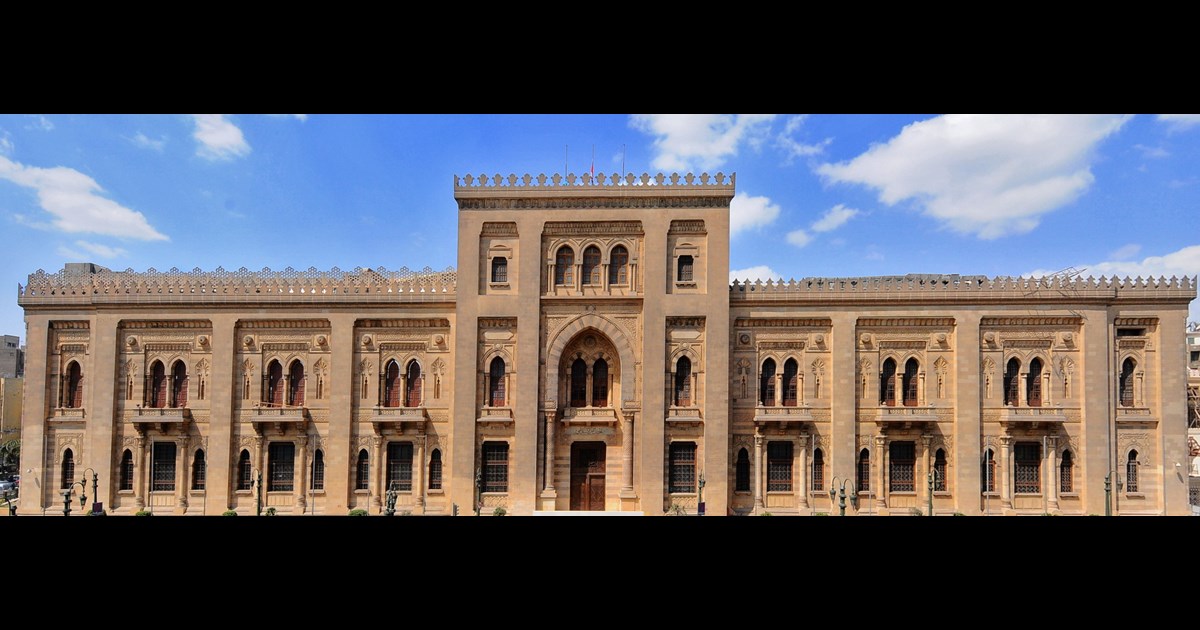
The Museum of Islamic Art contains one of the largest and most extensive collections of Islamic artifacts in the world. The idea of collecting and display the grand collection of artifacts began in 1880 AD. Eventually the building was established and inaugurated in 1903 AD, during the region of Khedive Abbas Helmy ll. The building’s facade was made in the Mamluk style and is adjacent to the National Library of Egypt. In 2014, an explosion targeting the opposite building (Cairo Security Directorate), impacted the façade. It was restored and reopened in 2017. The museum’s building consists of two floors that exhibit a large selection of artifacts from all over the world, covering subjects such as astronomy, medicine, and architecture. The vast collection takes the visitor on a journey through all periods of Islamic history, displaying some of the most magnificent artifacts. These include finely carved woodwork, delicately decorated ceramics, and rare manuscripts. A Mamluk key to the Ka’ba in Mecca and a textile bearing the oldest Kufic inscription are among the museum’s most notable possessions.
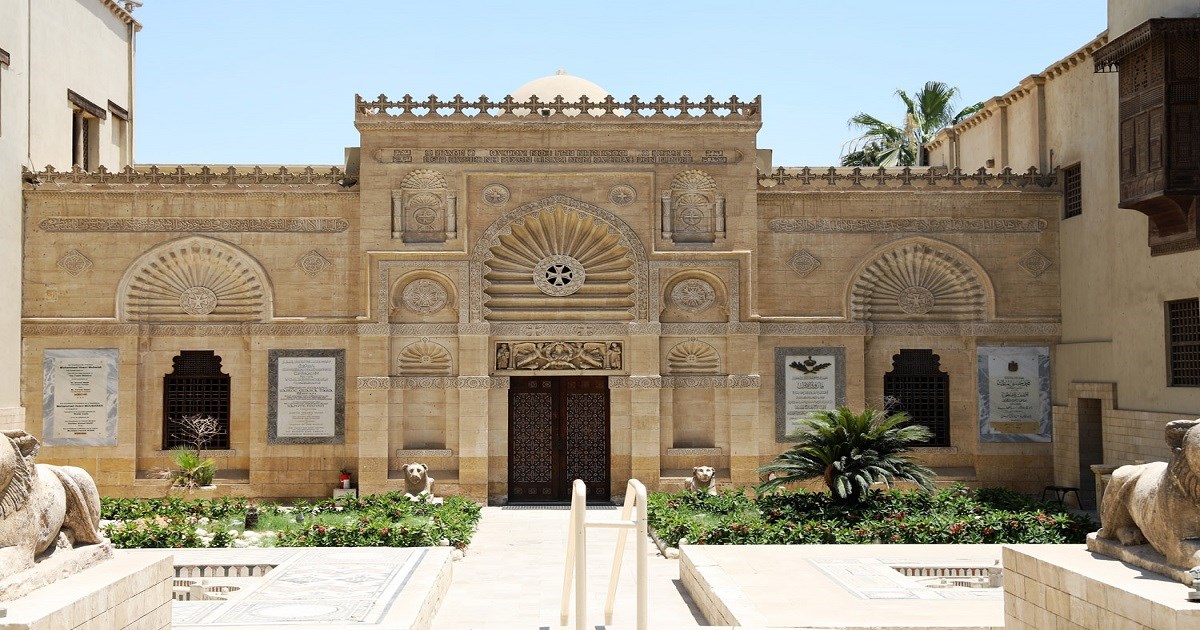
The Coptic Museum
641 AD
📍 Cairo
The Coptic Museum houses the largest collection of Coptic artifacts in the world and was inaugurated in 1910. The museum was established through the efforts of Marcus Simaika Pasha, a prominent Coptic figure who was vested in the preservation of Coptic heritage. Simaika Pasha bought and collected Coptic antiquities and various architectural elements from older churches that were undergoing renovation, and used them to built the museum and establish its collection. The collection represents Coptic history from its earliest beginnings in Egypt through to its rise as a leading center of Christianity in the world. Coptic Christianity traces its origins to a visit by Saint Mark in the city of Alexandria in the 1st Century A.D. The artifacts on display in the museum show the merge of Coptic art with the prevailing cultures including Pharaonic, Greek, Roman, Byzantine and Ottoman, and its evolution in developing its own character and identity. Magnificently decorated manuscripts, icons, delicately carved woodwork and elaborate frescos with religious scenes recovered from ancient monasteries and churches are among its extensive collection.
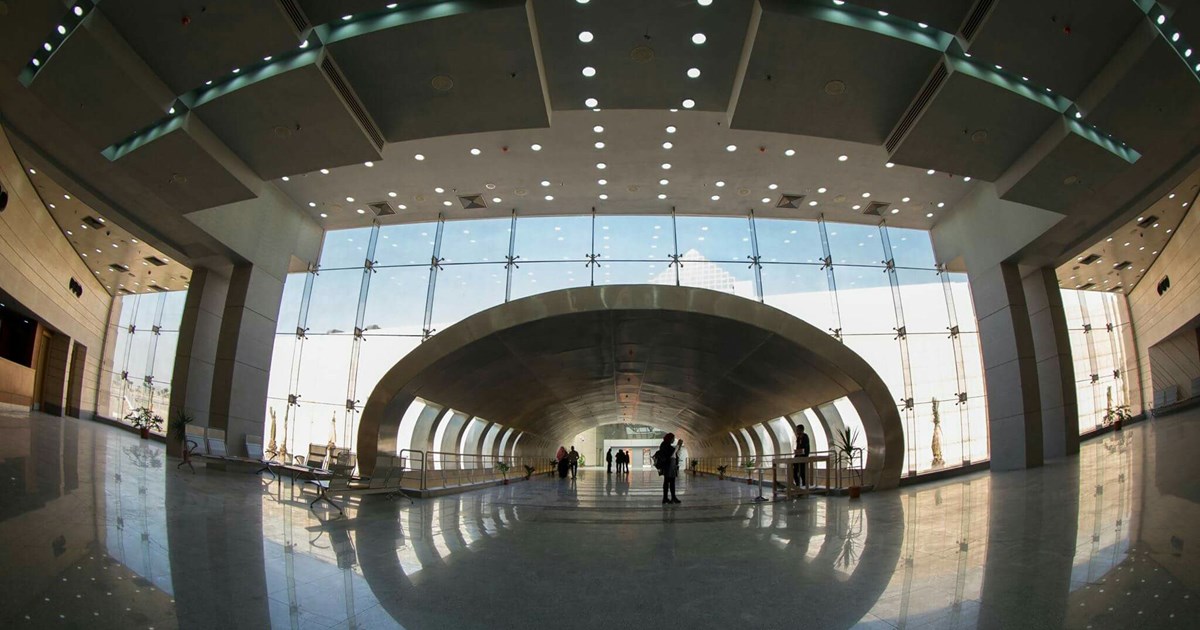
National Museum of Egyptian Civilization(NMEC)
📍 Cairo
The NMEC is the first of its kind in Egypt and the Arab world. It presents the full range of the richness and diversity of Egyptian civilization throughout the ages, from prehistoric times to the present day by focusing on its continuity and stability as demonstrated by its tangible and intangible heritage. The museum’s exceptional collection includes the royal mummies, which are exhibited in a new interactive display using 21st century cutting-edge technology to go beneath the wrappings and reveal their secrets, in addition to shedding light on the rituals and religious beliefs surrounding mummification in ancient Egypt.
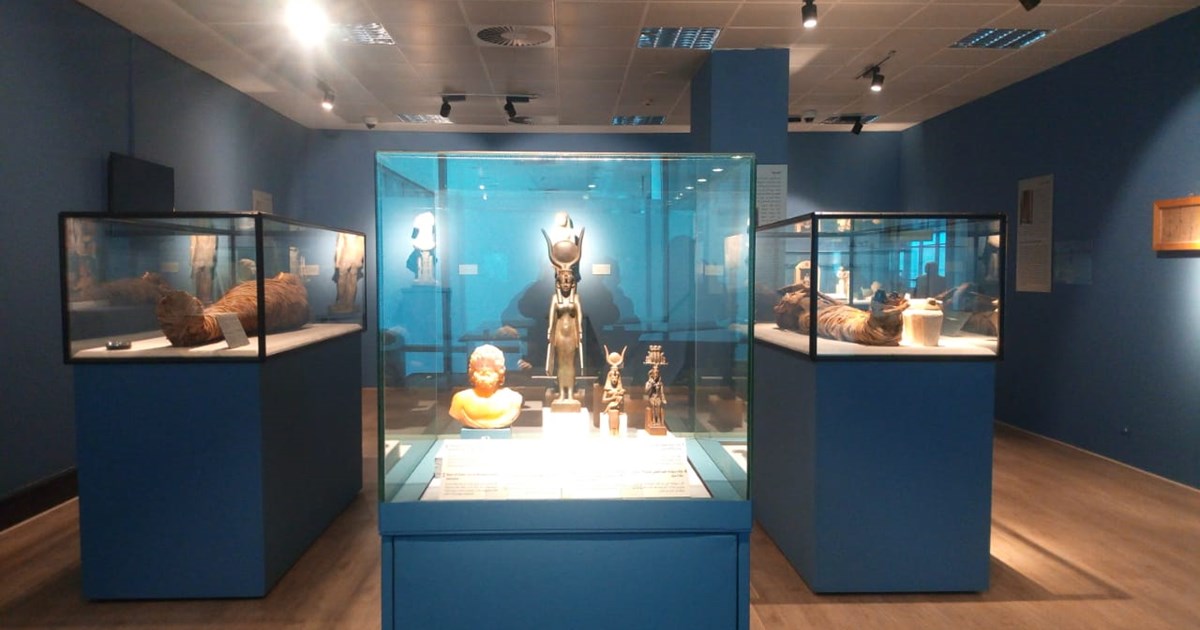
Cairo International Airport Museum - Terminal 3
📍 Cairo
The Cairo International Airport Museum-(Terminal 3) was inaugurated in 2016, in the light of the cooperation protocol between the Ministry of Antiquities and the Ministry of Civil Aviation, to serve as the initial introduction to ancient Egypt, and even the window overlooking its iconic monuments and its majestic civilization. The museum at that time occupied an area of approximately 60 square meters, and 38 objects were displayed in it. In 2020 the museum was transferred from its first location to the fourth floor in the same building, in order to display more objects, as its area occupies about 150 square meters. The museum currently displays a group of the most prominent objects through which the visitor can experience the incomparable history of Egypt through its various, periods. The objects guide the visitor through the different phases of Egyptian history, starting with the pharaonic period, passing through the Greco-Roman period, and also present Coptic and Islamic art, and bring the visitor into the modern period.
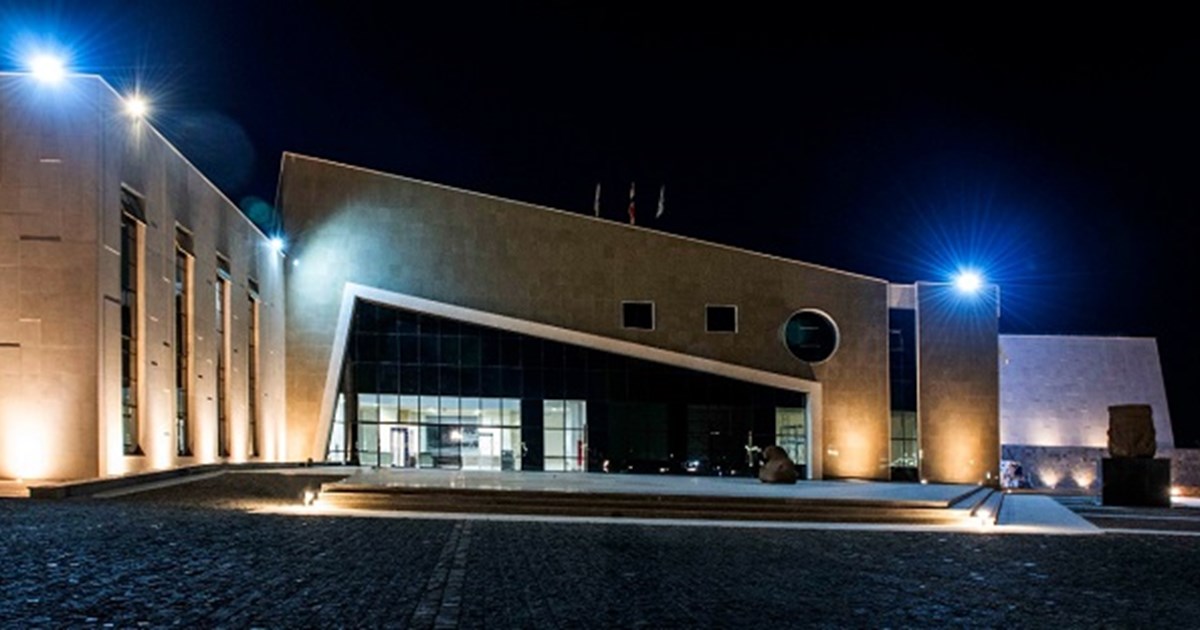
Sharm al-Sheikh Museum
The idea for the museum was first suggested in 2006, and in 2017 construction was complete. The museum’s display scenario broadly reflects the different aspects of human civilization and culture in general, while shedding light specifically on ancient Egyptian civilization. This is done through a selection of historical objects that were carefully chosen from museum storage rooms. The museum’s Grand Hall presents a history of humans and wildlife in ancient Egypt, and highlights ancient Egyptian civilization’s preoccupation with science, mathematics, industry, crafts, family life, and love for animals to the point of reverence. To showcase this point, animal the Grand Hall is where animal mummies are displayed. In the Hall of Civilization are displayed the beautiful inner and outer coffins of Isetemheb, the wife of the high-priest of AmunPanedjem II, who was herself a priestess of Isis, Min, and Horus in Akhmim. Notable also are Isetemheb’scanopicjars,papyrus collection, cosmetics,and perfume vessels, the head of a statue of Hatshepsut, and tanagrafigurines depicting women wearing a variety of dresses, in addition to objects that display Sinai’s cultural heritage.
The Royal Carriages Museum
📍 Cairo
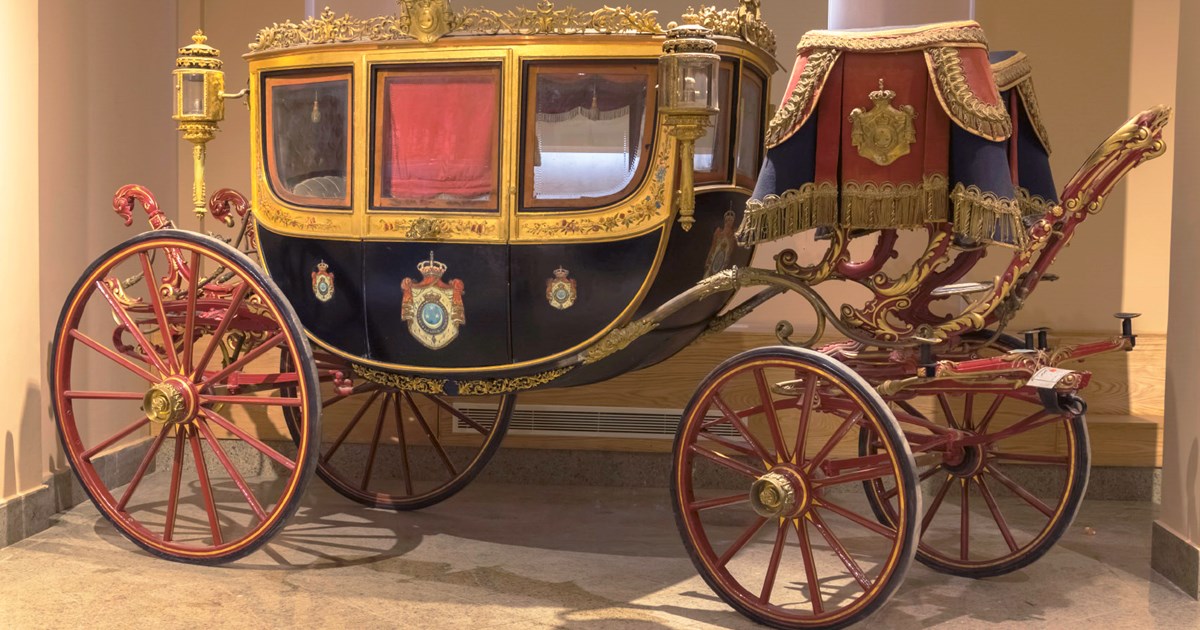
The Royal carriages Museum in Boulaq is one of the earliest of its kind worldwide, both from the prospect of the authenticity of its building and the originality of its displays. The building was particularly adapted to preserve the cultural heritage of the royal carriages and all related material dating back to the era of Mohammed Ali Dynasty. The idea of establishing the museum building dates back to the reign of khedive Ismail (r. 1863- 1879), who thought of founding a special structure for housing the horses and the khedivial carriages. Initially, the establishment was called the “Khedivial Carriages Service”, then its name was changed in 1922 to “Royal Stables Department (Royal Mews)” under the reign of king Fouad (r. 1917- 1936). Being the focus of royal attention, this establishment was provided with all specialized experts and skilled workers. The building was converted into a museum after the revolution of 1952. The Museum houses a unique collection, of which the most notable are various sizes and types of royal carriages, one of the most distinguished objects in the Museum is the grand Alay Carriage, which is characterized by its finest workmanship and elaborate decoration. It was the gift of Emperor Napoleon III and his wife Empress Eugenie to Khedive Ismail on the occasion of the Suez Canal inauguration in 1869. King Faruk ordered its restoration and used it on the inauguration of the Parliament in 1942, also its contain horse riding equipments, uniforms of the Carriages Service employees, as well as oil paintings dating to the same era. Worthy of note is that few museums all over the world are specialized in exhibiting this kind of displays, for examples museums in Austria, France, Russia, and England.
Kafr El-Sheikh Museum
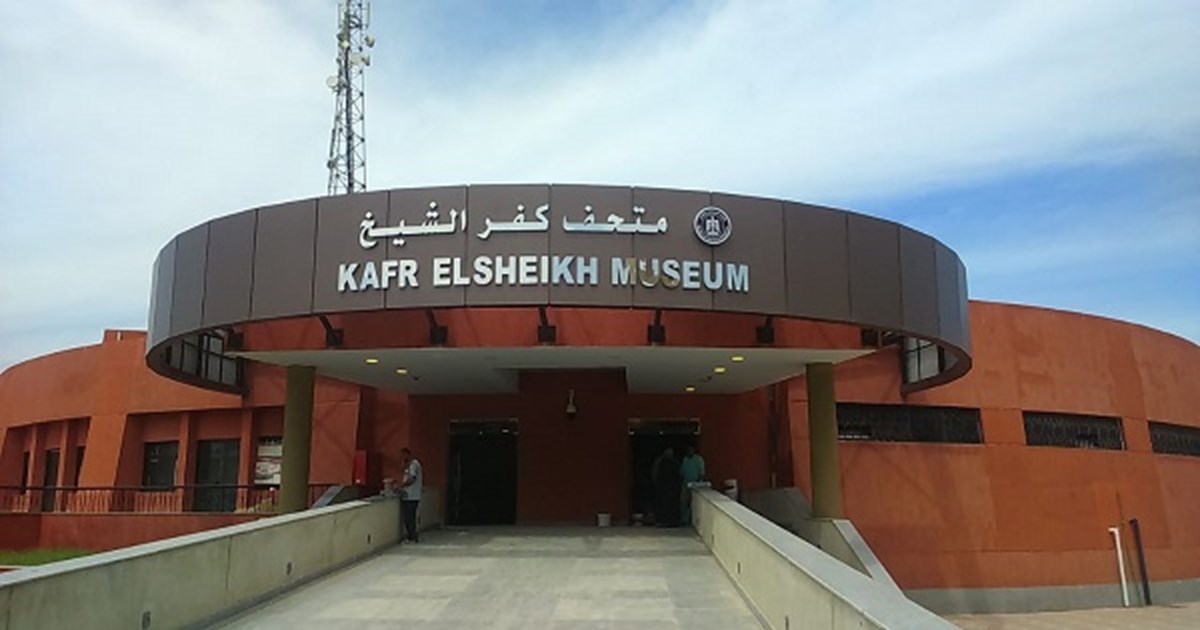
Kafr El-Sheikh Governorate, since the earliest historical times, had a large share of the contribution to the history of Egyptian civilization due to the presence of the city (Bhutto), which is now known as Tell Al-Faraeen, as it was the first capital of the first organized state in Lower Egypt. The museum aims to display the regional history and many artifacts that have been uncovered about it in Kafr El Sheikh Governorate, The museum includes three halls, which include the archaeological holdings that were found in the Great Bhutto Cemetery and the temple area, in which a number of important artifacts were uncovered that embody the story of the conflict between Horus and his uncle Six, in addition to other archaeological sites in Kafr El-Sheikh, including a statue of the deity Horus the Falcon is one of the most amazing statues that have been discovered in Egypt so far, and it is considered a unique copy that can only be matched by the one in the Edfu temple. A hall in the museum was also devoted to displaying the holdings that embody the period of the city of Sakha hosting the journey of the Holy Family during its visit to Egypt, in addition to displaying the history of science during different historical eras such as medicine, veterinary and pharmacy, as well as some topics related to the city of Fuwah, which has a rich Islamic heritage, as it includes all the cultural heritage of Kafr Sheikh as the third heritage city after Cairo and Rasheed.
Gayer Anderson Museum
1545 AD
📍 Cairo
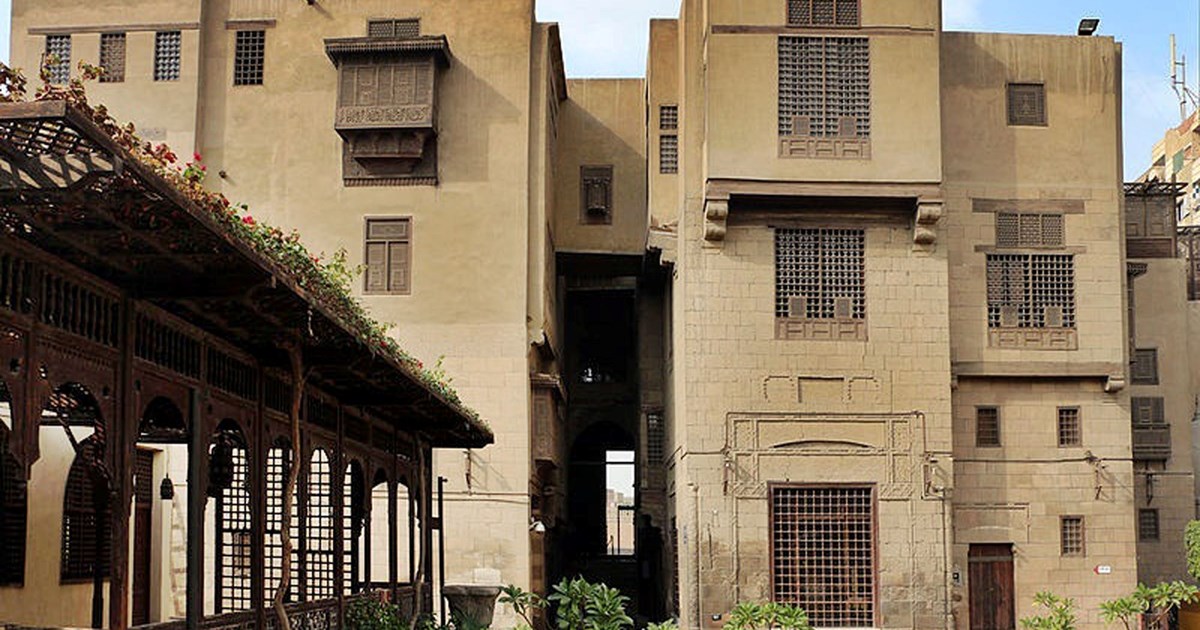
Geyer Anderson Pasha was an English officer who studied medicine in London. He was assigned as a doctor for the English military in 1904 and was deployed in Egypt in 1907. In 1935, Geyer Anderson submitted a request to the Assembly of Preserving Arab Antiquities to live in the two houses and to furnish them in Islamic-Arabic style. He proposed to gather a collection of pharaonic, Islamic, and Asiatic antiquities. These antiquities would belong to the Egyptian people following his death or when he left Egypt permanently. The assembly agreed. When Anderson left the house in 1942, his request was granted, and the two houses came into the possession of the Assembly of Preserving Arab Antiquities, which converted the building into the Geyer Anderson Museum. The house is a combination of two houses dating to the Ottoman period (16-17th century). The first house was built by the scholar ‘Abd al-Qadir al-Hadad in 947 AH/ 1545 AD. Lady Amina bint Salem later owned it. The second house belonged to Hajj Muhammad ibn Salem ibn Jilmam al-Jazar in 1041 AH/ 1631 AD. Different families lived in it until it came under the ownership of a lady from Crete, and so the house became known as Bayt al-Kritlyya. for the virtual tour click the link: https://my.matterport.com/show/?m=LCyv1zFUxiq&mpu=497&minimap=1
Manial Palace Museum
1929 AD
📍 Cairo
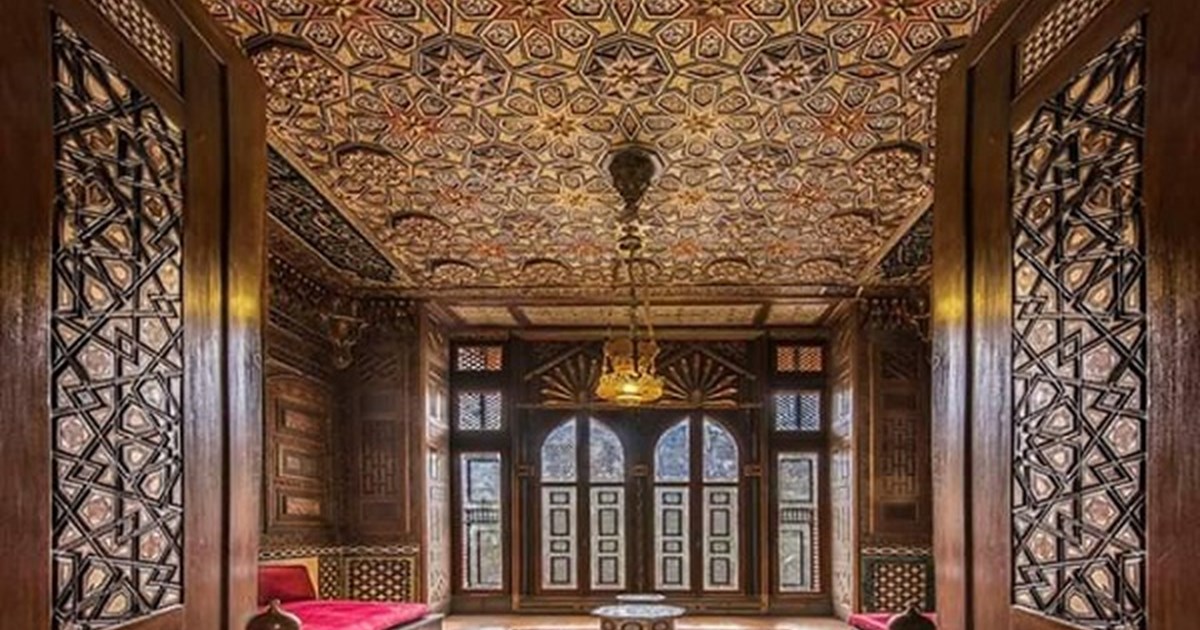
The Museum of Prince Muhammad Ali’s Palace in Manial is one of the most beautiful and important historical museum in Egypt. The museum exhibits an important period in the history of modern Egypt and is characterized by its architectural design. Its modern Islamic style merges with Persian and Mamluk elements. It was also inspired by Syrian, Moroccan and Andalusian motifs, as well as Ottoman style. The building thus harmonises between a number of Islamic architectural traditions. The palace of Prince Muhammad Ali Tawfik was established between 1319- 1348 AH/ 1900-1929 AD and consists of an outer wall that surrounds the entrance to the palace. Inside the walls is the reception area, the clock tower, the Sabil, the mosque, the hunting museum, living quarters, the throne hall, the private museum, and the golden hall, in addition to the wonderful garden surrounding the palace.
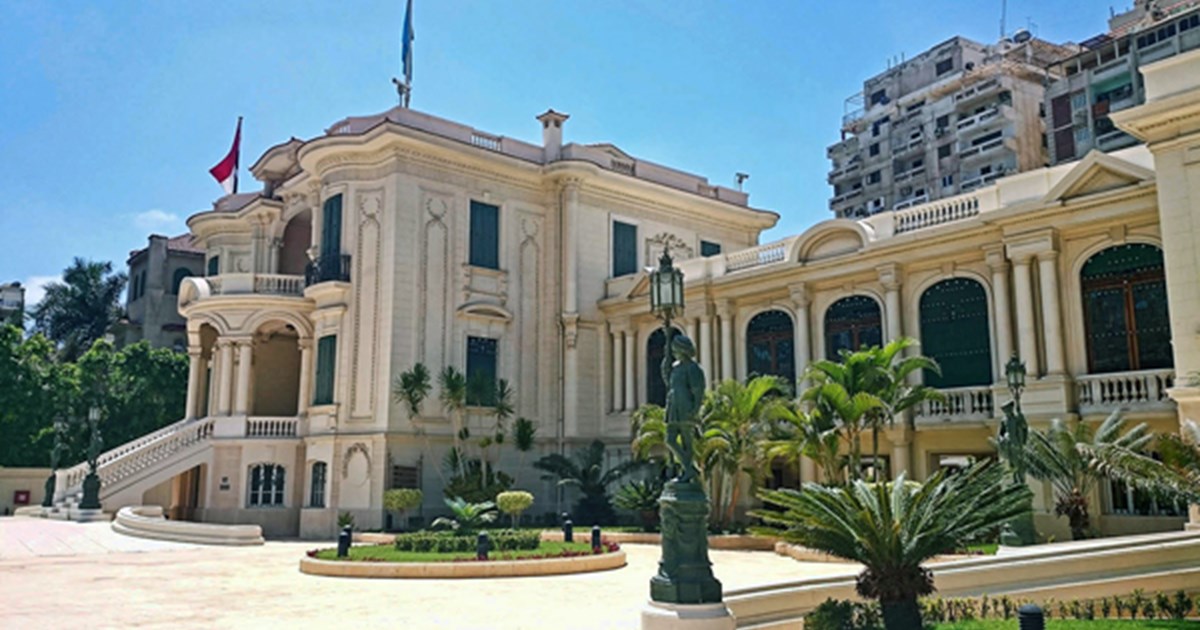
Royal Jewelry Museum
📍 Alexandria
The Royal Jewelry Museum displays the collectibles of the Egyptian royal family, founded by Muhammad Ali Pasha in 1805 and continued to rule for 150 years, until 1952. Zaynab Fahmi built the palace in 1919 in Zizinya, Alexandria. It served as the residence of Fatma al- Zahra’, daughter of Prince Ali Haider, a descendent of Muhammad Ali Pasha. The palace serves as a striking backdrop to the magnificent possessions owned by the family. It uniquely merges between European and Islamic styles, reflecting the fine taste of the royal family whose paintings, gilded ceilings, and mosaics decorate the palace rooms. The palace consists of two wings, eastern and western, connected by a corridor. Each wing has a basement and two floors. The possessions amassed by the family over the period of their rule are on display in the various halls. A diamond and emerald inlaid collar belonging to the founder of the dynasty, Muhammad Ali Pasha, is among the museum’s collection. The lavish lifestyle of the family is reflected in a gold chessboard, golden binoculars encrusted with diamonds, rubies, emeralds, and gold cups inlaid with precious stones. Also on display are elaborate jewelry sets commissioned by the greatest designers in Europe, which once adorned the queens and princesses of Egypt’s royal family.
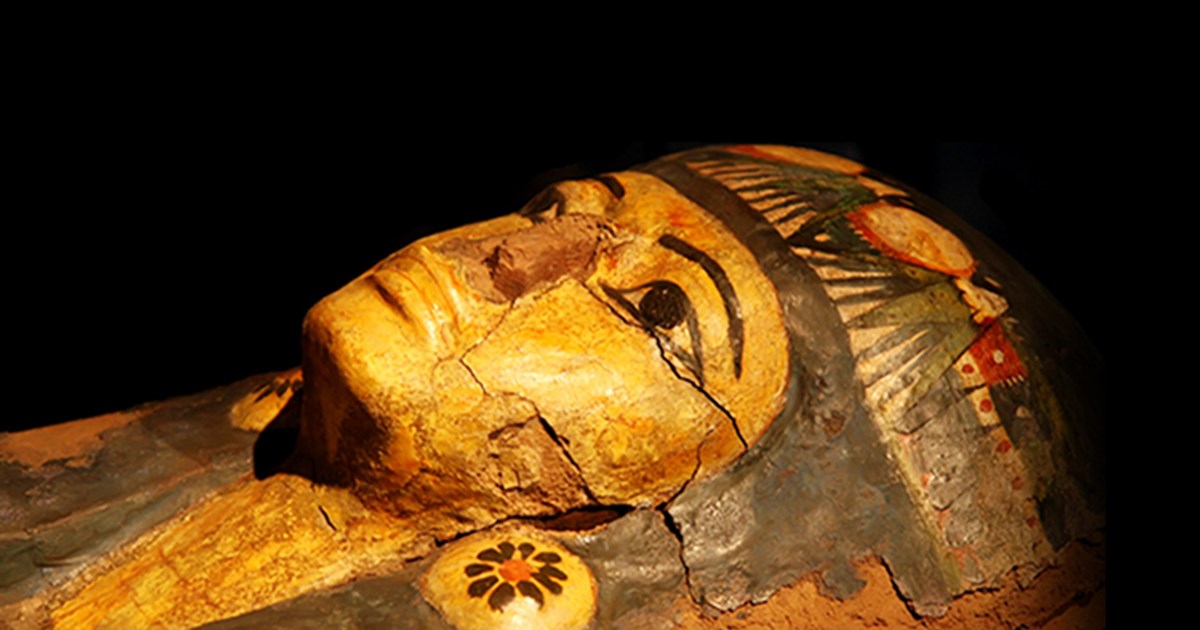
Mummification Museum
📍 Luxor
Mummification museum in Luxor (ancient Thebes), intended to provide an understanding of the process to preserve the body. The ancient Egyptians not only applied embalming to dead humans but also to many animals (Cats, dogs, crocodiles…. etc.). God Anubis(the Jackal) was the god of embalming and mummification. Mummification process is believed to have taken around 70 days, accompanied by many rituals. The organs of the deceased were carefully removed through a small incision (10 cm) in the left side of the body and preserved in Canopic jars. The body was then dried in sodium nitrate, or nitrate salt brought from Wadi El Natron, for about 40 days, and finally wrapped in bandages of linen. Magical amulets were placed within the wrappings on various parts of the body to protect the deceased. The family then received the body and placed it in a coffin for burial. The Mummification Museum provides a comprehensive view of the entire process through the display of many tools, objects and equipment used for the process, as well as, an explanation of the ritual and religious significance of the practice. Canopic jars, elaborately decorated coffins, mummified remains; amulets and statues of deities are among the many objects on display.
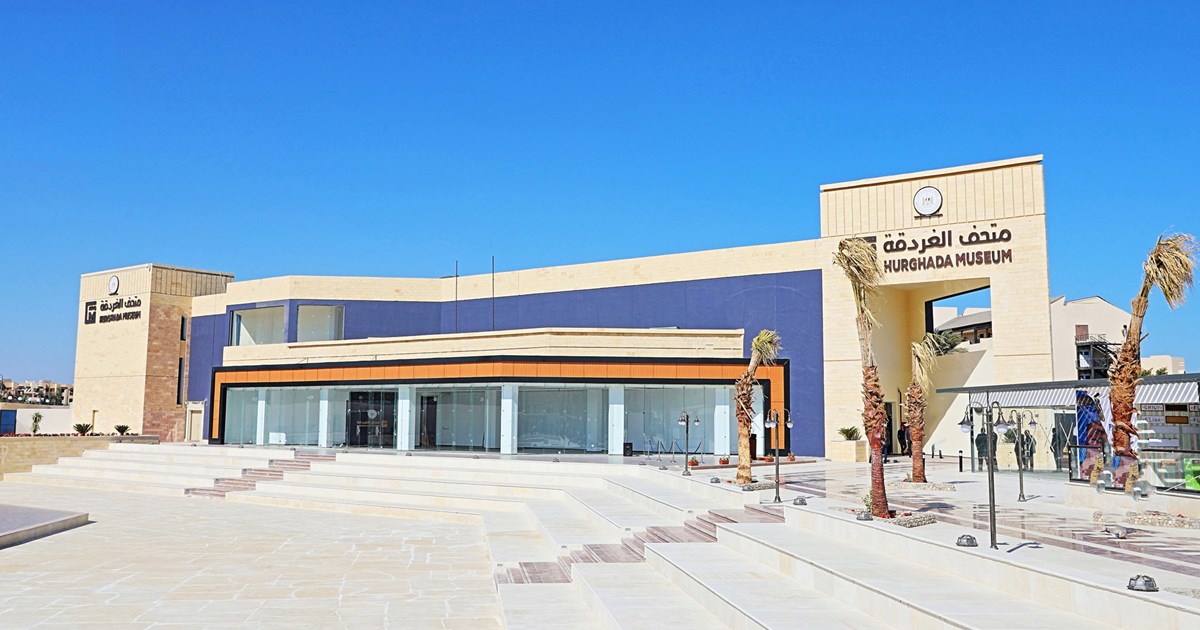
Hurghada Museum
Hurghada Museum is the first antiquities museum in al‑Bahr al‑Ahmar (Red Sea) Governorate. It is also the first museum of its kind, in that it is the fruitful result of a collaborative effort between the Ministry of Tourism and Antiquities, al‑Bahr al‑Ahmar (Red Sea) Governorate, and the private sector. The construction of the museum was funded by the private sector, The museum contains 2000 artifacts that tell story of Egypt, from the Ancient Egyptian, Greco-Roman, Jewish, to the Christian, Islamic, and Modern eras. These objects underline the museum’s theme, which is to present the concept of beauty in Egypt.
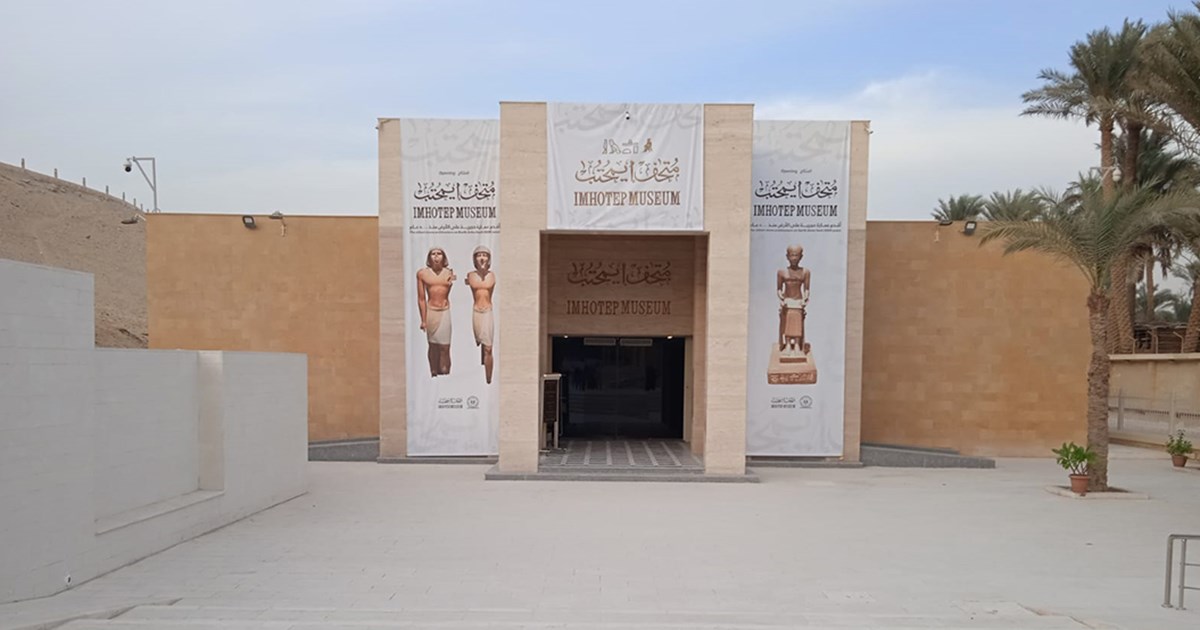
Imhotep Museum
📍 Giza
The museum was built at Saqqara area in memory of Imhotep - the architect of the pyramidal tomb of King Djoser, and the first to use stone on a large scale for building an integrated hierarchical group. The museum consists of six halls displaying a varied: statues, coffins, paintings, utensils, architectural elements and other excavated objects from Saqqara archaeological site. The most distinctive halls in the museum are: a complete simulated tomb that displays a mummy, a wooden coffin, and a number of funeral furniture, in addition to a hall dedicated to the memory of the architect and archaeologist Jean-Philippe, who devoted his life to the restoration of King Djoser's pyramid collection.